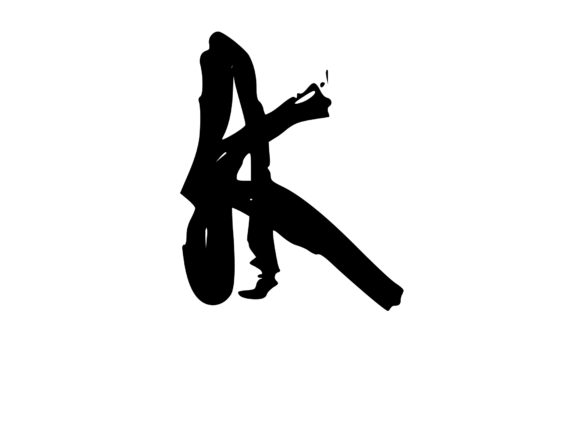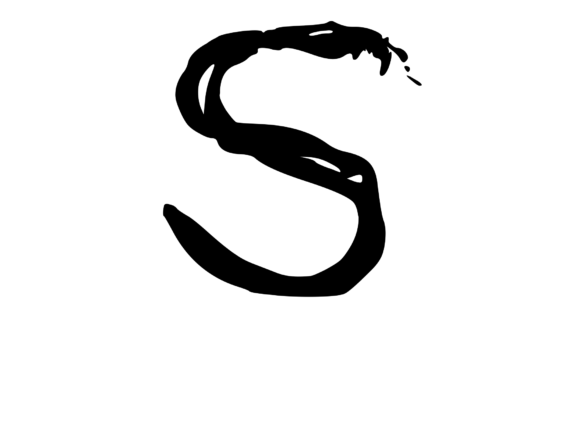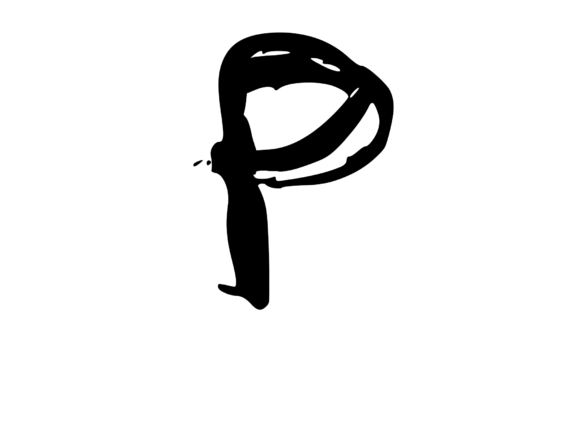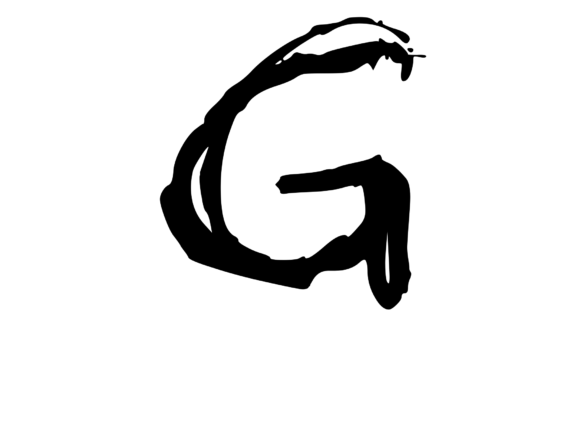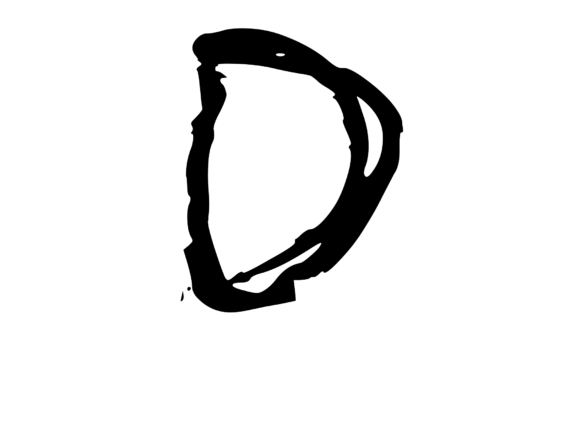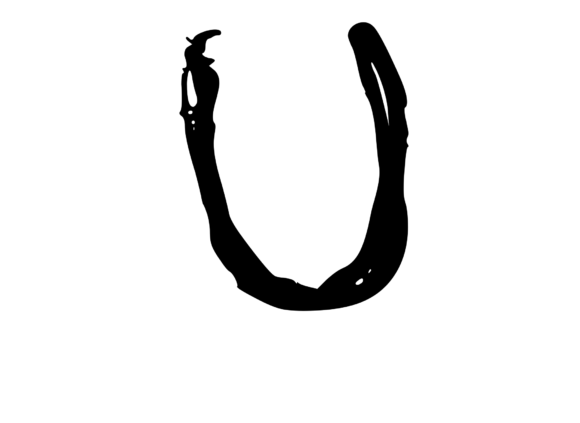
Frightfully Scary Scratched Mono U: Design Review
As someone who has spent years digitizing embroidery files and stitching out designs for clients, I have learned to spot which graphics will translate well into thread and which ones will cause nothing but frustration. When I first opened Frightfully Scary Scratched Mono U, I saw a design with real potential for embroidery work — but also a few details that deserve a thoughtful look before you commit it to fabric. This is not a review written from a product page. This is a review written from behind a machine, with stabilizer scraps on the floor and a half-finished tote bag sitting on the table.
The scratched, distressed mono look is immediately striking. The word mono tells me this is built around a single-color approach, which is often a smart move for embroidery because it keeps thread changes minimal and stitch counts reasonable. The scratched texture gives it an edgy, worn-in personality — not polished or precious, but deliberately rough. That mood matters when you are choosing what to stitch onto what product. It also tells me the original source is a Graphics file, likely an SVG, which means you may need to convert or digitize it into a proper machine embroidery file before stitching. That is a common step, but one worth planning for.
What This Design Says Before You Even Stitch It
The visual personality of Frightfully Scary Scratched Mono U leans into Halloween territory, horror aesthetics, or any project where you want a slightly dark, gritty edge. The scratched lines add movement and imperfection, and that can work beautifully in embroidery because thread already has a natural texture that differs from flat digital graphics. When stitched out, the scratches can read like distressed ink or weathered type, which gives the finished product a handmade, vintage feel. That is the kind of detail that customers notice on a custom sweatshirt or an embroidered patch at a craft fair. It signals intentional design, not generic clip art.
Because the design is mono, it forces you to think carefully about your thread color choice. A single color means the entire design relies on that one shade to carry the mood. Black on cream reads completely differently than white on black, or orange on dark gray. I found myself imagining this design on a charcoal hoodie with a bright neon thread for contrast, or on a natural cotton tote bag with deep burgundy stitching. The scratched texture becomes more visible when there is contrast, so do not be afraid to push the thread color beyond basic black or white.
How It Performs in Real Embroidery Projects
I tested Frightfully Scary Scratched Mono U with a custom embroidered tote bag in mind. A tote is a forgiving canvas — sturdy, stable, and flat — which makes it a good first project for any design you are unsure about. The mono aspect kept the stitching straightforward. One thread color means one thread change, less downtime, and consistent tension across the entire stitch area. That is a practical advantage if you are producing multiple items for a small shop or an Etsy order.
For custom apparel like sweatshirts or t-shirts, the design holds up well as long as the fabric is stable enough to support the stitch density. The scratched details, if they include thin lines or tight gaps, need enough fabric stability to hold their shape. I would recommend a tear-away or cut-away stabilizer depending on your fabric. On a sturdy sweatshirt or a cap, the design keeps its personality without distorting. On a lightweight baby onesie or a delicate pillow cover, you need to be careful. Thin or stretchy fabrics can pull the scratched lines out of shape, making the design look messy rather than intentionally distressed.
For embroidered patches, this design is a strong candidate. The mono color and scratched texture translate well onto patch fabric, and the edgy look fits the patch format naturally. If you are making patches for a boutique or a craft business, the design gives you a recognizable visual that stands out from standard script or floral styles.
Where This Design Needs Careful Placement
Not every product shape handles Frightfully Scary Scratched Mono U the same way. Here are the situations where I would test carefully before committing to a full production run:
- Small hoop sizes — If the design has fine scratched details, shrinking it down too much can cause those lines to close up or become muddy. Always stitch a test at your intended size before stitching on the final product.
- Textured fabrics — Fleece, sherpa, or heavy knits can swallow the scratched texture. The distressed look relies on clear gaps and edges. If the fabric pile obscures those gaps, the design loses its personality.
- Thin or stretchy fabrics — Lightweight t-shirts, baby clothes, and某些 knit fabrics can distort the design during stitching. Use a stabilizer designed for stretchy fabrics and consider a topper to keep the stitches crisp.
- Dark fabrics — If you stitch with dark thread on dark fabric, the scratched details become nearly invisible. Test your thread color against the fabric color before you stitch. A light or bright thread on dark fabric makes the scratches pop.
- Curved surfaces like caps — Caps require a curved hoop and careful hooping. The scratched lines can warp if the fabric is not hooped evenly. Test on a practice cap before stitching on a customer order.
- Products that need frequent washing — Kitchen towels, baby blankets, and everyday apparel need thread that holds up to repeated washing. Make sure your thread is high quality and your stitch density is appropriate for the fabric.
How It Affects Product Value and Customer Trust
For Etsy sellers, small shop owners, and creative entrepreneurs, the visual personality of Frightfully Scary Scratched Mono U can elevate a product from ordinary to memorable. When a customer sees a hand-embroidered item with a distinctive, edgy design, they perceive higher value. They understand that someone chose that design deliberately, not just picked the first available option. That perception builds trust and makes your brand feel more curated and professional.
For holiday products like Halloween-themed gifts or spooky home decor, this design fits naturally. It works on pillow covers, tea towels, tote bags, and even as a small accent on a cap or an apron. If you are creating a limited run of seasonal items, the scratched mono look gives you a cohesive aesthetic that can carry across multiple product types without feeling repetitive.
For product mockups and digital product previews, the design reads clearly even at small sizes, which is helpful when you are listing items online. Customers scrolling through Etsy or Instagram can see the personality of the design immediately, which can improve engagement and click-through rates.
Practical Designer Notes Before You Stitch
Before you stitch Frightfully Scary Scratched Mono U onto your final product, I recommend the following steps based on my own testing process:
- Test on scrap fabric first. Stitch the design on a piece of fabric similar to your final product. Check the stitch quality, the clarity of the scratched details, and the overall look. This step saves you from wasting good products on a design that does not perform as expected.
- Check thread color contrast. Stitch a small sample in your chosen thread color on your actual fabric. The scratched texture will look different depending on the contrast between thread and fabric. Test a few options before committing.
- Review stitch density. If you are converting the SVG to an embroidery file yourself, pay attention to stitch density. Scratched lines can become too dense or too sparse depending on how they are digitized. Aim for a density that keeps the distressed look without creating bulky areas.
- Confirm hoop size. Make sure the design fits within your hoop at the size you intend to stitch. If you need to resize, do it in your digitizing software before you export the file.
- Inspect small details. Zoom in on the design and look for any areas where scratched lines overlap or create unintended solid shapes. Those areas may need editing in your digitizing software.
- Test in black and white mockups. View the design in grayscale or black and white to see how the contrast reads. This can help you spot areas where the scratched texture might disappear against certain fabric colors.
- Compare light and dark fabric backgrounds. The design will behave differently on light versus dark fabrics. Stitch a test on both if you plan to offer the product in multiple colorways.
- Use proper stabilizer. For most projects with this design, a medium-weight cut-away stabilizer provides reliable support. For stretchy or lightweight fabrics, use a stabilizer designed for those materials.
- Check licensing before selling. The product description notes that Frightfully Scary Scratched Mono is available for artists, designers, and crafters to use and proudly reproduce. However, if you plan to sell finished products or use the design for commercial embroidery, confirm the licensing terms directly. Do not assume commercial use is included without verifying. This is especially important for Etsy sellers and small business owners who rely on clear usage rights.
Commercial and Personal Use Considerations
For handmade product creators, the mono design is efficient to produce in quantity. One thread color means faster stitching, less thread waste, and easier quality control. If you are preparing a batch of custom embroidered tote bags for a local boutique or a set of personalized gifts for holiday orders, that efficiency matters.
For digital product sellers who offer design assets or printable mockups, the Graphics format of the original file means you can use it in multiple ways beyond embroidery. You can incorporate it into digital collages, print it on transfer paper, or use it as a branding element. That versatility adds value to your product lineup.
For hobbyists and makers stitching for personal use, the design is straightforward enough to be enjoyable without being frustrating. It does not require complicated color changes or dense stitching that tests the limits of your machine. It is the kind of design you can stitch while watching a movie, and that is a real pleasure in this craft.
For commercial embroidery shops, the scratched mono look fits well into the growing demand for alternative, non-traditional aesthetics. Customers are moving beyond cutesy and floral designs toward edgier, more personal expressions. This design gives you a way to serve that market without needing a huge library of specialized files.
Final Thoughts on Frightfully Scary Scratched Mono U
After working with Frightfully Scary Scratched Mono U in several test scenarios, I can say it is a design that rewards careful planning. It has a clear visual personality that stands out in a crowded market of embroidery designs. It works well on stable fabrics, patches, and structured products like tote bags and caps. It requires attention to thread color, fabric choice, and stabilizer selection, but that is true of any good design.
For craft businesses, Etsy sellers, and creative entrepreneurs, this design offers a distinctive look that can differentiate your products from competitors. For hobbyists and makers, it offers a satisfying project that does not overcomplicate the embroidery process. If you take the time to test it properly and choose the right materials, Frightfully Scary Scratched Mono U can become a reliable asset in your design library. Stitch it with intention, and it will serve you well.