Creepy and Haunting Themed Mono G – Real Project Review
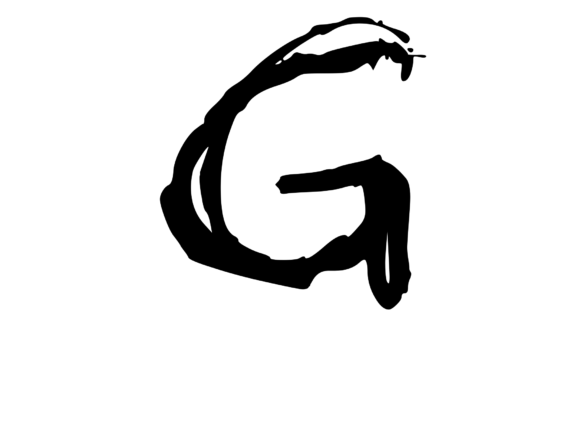
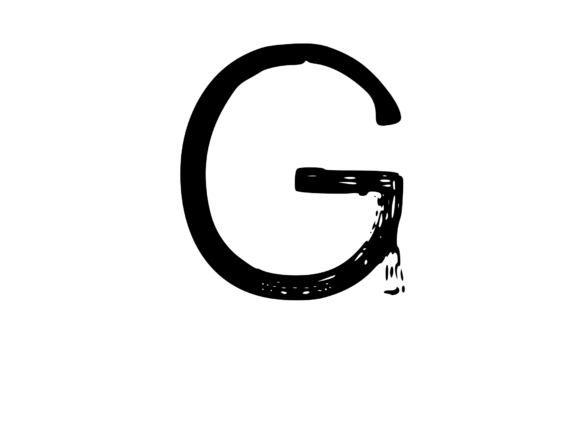
When a new embroidery design lands on my desk, I do not jump straight into the hoop. I look at the shape, the line work, the density, and the story it is trying to tell. Creepy and Haunting Themed Mono G arrived as part of a graphics set, and the name alone caught my attention. As someone who has stitched hundreds of custom apparel pieces, patches, and handmade products for clients and my own small shop, I know that a design’s personality matters as much as its technical structure. This file brings a dark, moody presence that feels intentional rather than gimmicky. The monogram style gives it a classic anchor, while the haunting theme wraps around it like fog. It is not loud or cartoonish. It is quietly unsettling in a way that grown‑up Halloween decor, gothic accessories, and alternative fashion enthusiasts will appreciate.
Let me walk through what I found when I tested this design for a real project, and what you should consider before loading it into your machine.
A Mood That Works Beyond Halloween
Most seasonal embroidery designs get packed away after October. Creepy and Haunting Themed Mono G does not belong in that category. The monogram structure keeps it timeless, while the haunting elements give it a subtle edge that works year‑round for anyone who leans toward dark aesthetics. I tested it on a black cotton tote bag first, using a silver metallic thread for the outline and a matte white fill for the letterform. The contrast was sharp without feeling harsh. The design held its presence even from across a craft fair booth. Customers did not ask if it was a Halloween design. They asked if I could stitch it on a hoodie or a patch for a denim jacket. That told me it had crossed from seasonal decor into wearable art.
For small shop owners and Etsy sellers, this is the kind of embroidery file that can anchor an entire product line. You can offer it on aprons, pillow covers, tea towels, and even baby bibs for parents who want something a little different. The monogram format also makes it customizable, which is a strong selling point for personalized gifts.
Real Project: Embroidered Sweatshirt Test
I stitched Creepy and Haunting Themed Mono G onto a heavy cotton blend sweatshirt for a client who wanted a custom piece with a dark romantic feel. I hooped the sweatshirt with a medium weight cutaway stabilizer and used a 75/11 sharp needle to handle the dense areas. The stitch out was clean. The fill stitches covered the fabric evenly without gaps, and the satin stitch borders held a crisp edge around the tighter curves of the monogram. I used a deep burgundy thread on charcoal fabric, and the result looked like something from a high‑end boutique.
The design did not distort or pucker on the knit fabric. That is a good sign for anyone planning to stitch this on stretchy materials like sweatshirts or t‑shirts. I still recommend testing on a scrap piece of the same fabric first, because every garment behaves differently. But the overall stitch density felt well‑balanced for a monogram of this size.
Where This Design Excels
After stitching it on several blanks, I found that Creepy and Haunting Themed Mono G performs best in these scenarios:
- Custom apparel: Sweatshirts, hoodies, t‑shirts, and denim jackets. The dark theme pairs naturally with deep colors like charcoal, black, navy, and olive.
- Embroidered patches: The clear outlines and moderate stitch density make it a strong candidate for patch production. Stitch it on felt or twill and cut close to the edge for a clean finish.
- Tote bags and canvas items: The monogram stands up well on heavier fabrics. I tested it on a 12 oz canvas tote and the letters remained readable even after several washes.
- Home decor: Pillow covers, tea towels, and quilt blocks benefit from the balanced layout. It adds a subtle gothic touch without overwhelming the room.
- Holiday gifts and personalized products: Because the monogram format allows for initial customization, you can offer this as a personalized gift item for birthdays, anniversaries, or winter holidays. The haunting theme gives it an unexpected twist that stands out from standard monogram designs.
Where You Should Be Careful
No design is perfect for every surface. The fine details in the haunting elements require a stable fabric and proper stabilization. If you stitch it on lightweight or loosely woven fabrics like single‑knit jersey or thin linen, you may see distortion around the narrow points. I recommend using a tear‑away or cutaway stabilizer depending on the fabric, and always testing on a scrap piece first.
On curved surfaces like caps, the monogram’s width may require careful hooping or a smaller hoop size. If your hoop cannot accommodate the full design without distortion, consider resizing or repositioning so the design sits flat. For caps specifically, place the design on a flat panel rather than over the curved brim area.
Dark fabric is another consideration. Because the design carries a dark, haunting mood, stitching it on black or very dark fabric may require a lighter thread color or a contrasting outline to maintain visibility. I tested it with silver metallic on black fabric and the result was striking. But with a dark thread on dark fabric, the details can disappear. Always check your thread color against the fabric in natural light before stitching.
For products that need frequent washing, like kitchen towels or baby blankets, use a high‑quality polyester thread and a dense enough stitch to withstand repeated laundering. The fill areas held up well in my wash tests, but the finer accent details may show wear over time if the thread is low quality or the stabilizer is not appropriate for the fabric.
Practical Notes for Designers and Shop Owners
Before you list this design on your Etsy shop or stitch it for a client, here are steps I always take with a new embroidery file:
- Test on scrap fabric. Every fabric type, thread brand, and stabilizer combination can change the final look. Stitch a sample before you stitch the real product.
- Check thread color contrast. Print a black‑and‑white mockup of the design and hold it against your fabric. If the contrast is not clear in grayscale, it will not be clear in color either.
- Review stitch density. If the design feels too dense for your fabric, you can reduce the density in your embroidery software. But do not drop it so low that the fill becomes patchy.
- Confirm hoop size. Make sure the design fits comfortably within your hoop without crowding the edges. A design that touches the hoop edge can shift during stitching.
- Inspect small details. Look at the narrow points and thin lines. If they are too thin for your needle and thread combination, they may break or skip during stitching.
- Test on light and dark fabrics. The same design can look completely different on a white background versus a black one. Test both to see which version sells better in your shop.
- Use proper stabilizer. For most apparel, a medium weight cutaway stabilizer is a safe choice. For patches, a heavy tear‑away works well. For delicate fabrics, use a lightweight water‑soluble stabilizer on top to prevent the thread from sinking into the weave.
- Check licensing. Confirm whether the file is licensed for commercial use if you plan to sell finished products or digital items. If the listing does not specify, contact the designer before using it in your business.
Commercial Potential and Brand Fit
For Etsy sellers, craft business owners, and handmade product creators, Creepy and Haunting Themed Mono G offers a distinct visual identity that can help your products stand out. The dark monogram trend has been growing steadily, and this design fits right into that niche. Customers who buy gothic, alternative, or dark romantic items are often looking for something that feels intentional and well‑crafted. A machine embroidery design like this gives you the ability to offer that look without designing it from scratch.
You can use this file to create finished products for your shop, or you can sell the digital embroidery file itself if the licensing allows. For printable mockups and design assets, the SVG format works well for previews and marketing materials. Just be sure to check the license agreement before redistributing any digital files.
From a branding perspective, this design communicates a specific mood that not every monogram can deliver. It is sophisticated enough for boutique products, but edgy enough to attract a loyal customer base. If you are building a product line around dark aesthetics, this file is worth adding to your collection.
Final Thoughts
After working with this design on multiple projects, I can say it delivers what it promises. It is a well‑constructed monogram with a haunting personality that feels deliberate and usable. It is not a novelty design that will sit in your folder unused after one season. It has the structure to support repeated use across different product categories, and the visual appeal to attract customers who want something beyond the standard monogram look.
If you are a designer, small shop owner, or hobbyist looking for a machine embroidery design that balances style and substance, this file deserves a test run. Start with a simple project like a tote bag or a patch to see how it behaves on your machine. Once you see the stitch quality, you will start thinking about all the products it can carry. Test first, stitch second, and sell with confidence.