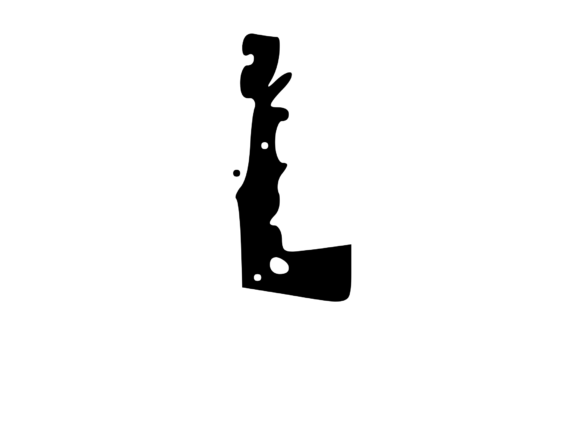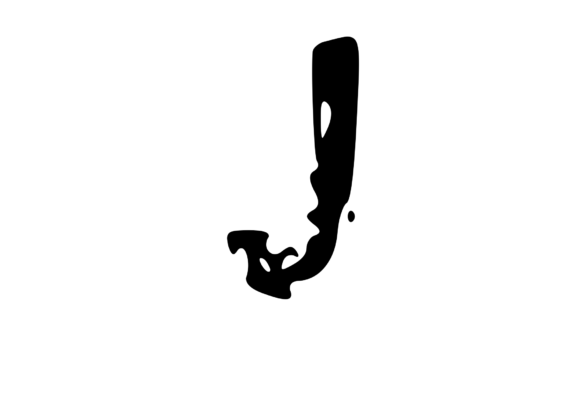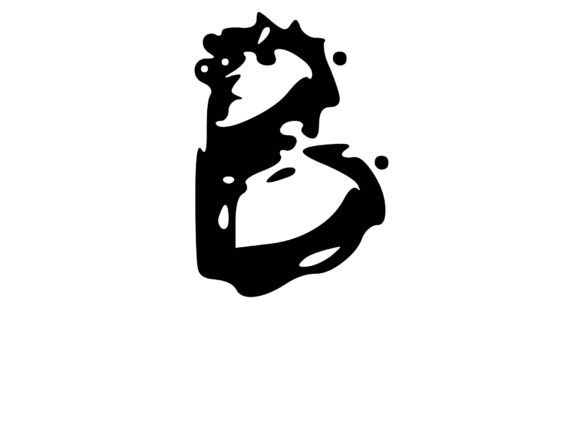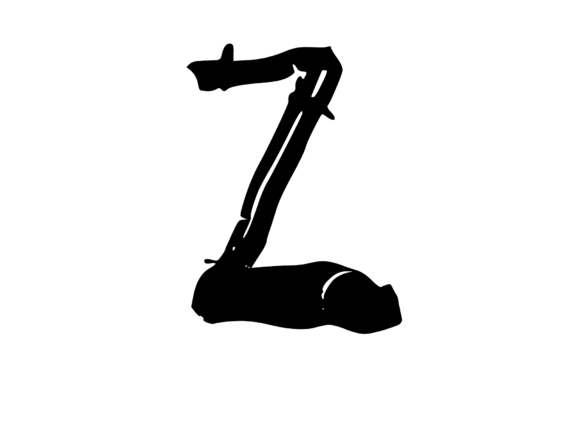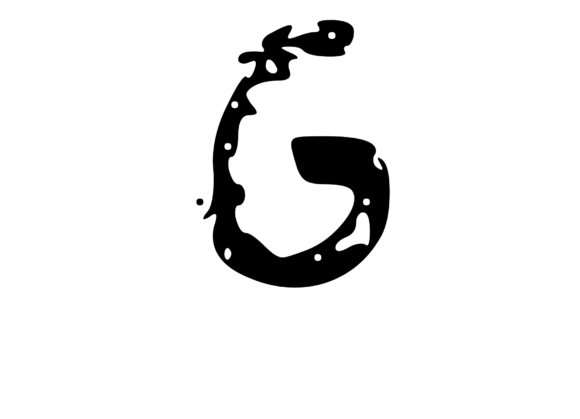
Decaying Rotten Mono Letter G
The Decaying Rotten Mono Letter G is a bold and distinctive design that immediately grabs attention. Its decayed, weathered aesthetic creates a mood of edginess and artistic rebellion, perfect for those looking to make a statement with their embroidery work. The lettering has a raw, unfinished feel that suggests something intentionally worn or aged, making it ideal for projects that aim to evoke a sense of nostalgia or grit.
First Impressions and Design Personality
From the moment you see the Decaying Rotten Mono Letter G, it’s clear this isn’t a standard lettering design. The jagged edges, uneven texture, and subtle erosion give it a unique visual identity. It feels like it was carved from a wall or etched into a surface over time, which makes it stand out in a crowd. This design doesn’t just sit on a fabric—it commands attention and tells a story.
It’s most suited for projects that embrace a grungy or alternative vibe. Think of it on a custom embroidered tote bag for a punk rock fan, a sweatshirt for a DIY artist, or an apron for a workshop that wants to project a rugged, handmade feel. The design’s character is strong enough to work as a standalone piece but also pairs well with other elements if used carefully.
Real-World Embroidery Performance
When I first considered using the Decaying Rotten Mono Letter G on a custom tote bag for a client, I was curious how it would translate in real embroidery situations. The design’s intricate details—especially the uneven lines and texture—require careful handling. It works best on flat, smooth surfaces where the stitching can be precise without distortion.
On a cotton tote bag, the design looked sharp and intentional. The stitch density was sufficient to maintain the letter’s structure without being too dense, which could cause stiffness. However, on a thin or stretchy fabric, like a lightweight t-shirt, the design might not hold up as well. The texture of the lettering could become less defined, especially if the fabric stretches during use.
For baby items, such as a onesie or a blanket, the design might be too harsh. The rough edges and decayed look could be unsettling for a child’s clothing. But for a personalized gift for a teenager or young adult, it could be a hit. The key is to match the design’s tone with the intended audience and product type.
Where to Use With Caution
There are certain situations where the Decaying Rotten Mono Letter G might not perform as well. For instance, on small hoop sizes, the design’s complexity could lead to stitching issues. If the lettering is too detailed for the hoop, parts of the design may get cut off or distorted. Always check the recommended hoop size before starting.
Textured fabrics, such as fleece or knits, can also challenge the design. The irregularities in the fabric might make the stitches appear uneven or blurred. Similarly, dark fabrics can make the design’s details less visible unless the thread color contrasts strongly. A white or light-colored thread on a black background would make the lettering pop, while a darker thread might blend in too much.
For curved surfaces like caps or hats, the design’s shape might not follow the curve smoothly. This could result in a stretched or warped appearance. If you’re planning to use it on a cap, consider adjusting the design or using a different layout that accommodates the curve.
Impact on Visual Appeal and Customer Perception
The Decaying Rotten Mono Letter G adds a unique visual element that can elevate the value of a handmade product. Its distinct style can help a small shop product stand out among competitors, especially on platforms like Etsy or at craft fairs. Customers who appreciate alternative or edgy aesthetics will likely notice and appreciate the design’s personality.
However, it’s important to manage expectations. Not every customer will connect with the design’s mood. Some may find it too unconventional or unrefined. That’s why it’s crucial to pair the design with appropriate marketing and product descriptions that highlight its intended use and target audience.
When used correctly, the design can enhance the professionalism of a craft business. It shows that the designer is thoughtful about the visual language they use and that they understand the emotional impact of their work. This can build trust with customers who are looking for meaningful, one-of-a-kind pieces.
Practical Designer Notes
Before committing to a project, always test the Decaying Rotten Mono Letter G on scrap fabric. This helps you see how the design looks in real life and whether it meets your expectations. Check the thread color contrast—especially if you're working with dark or light backgrounds. A mismatched color can make the design look dull or unclear.
Review the stitch density to ensure it’s appropriate for the fabric you’re using. Too much density can cause the fabric to stiffen, while too little can make the design look incomplete. Confirm the hoop size required for the design and make sure your machine can accommodate it. If not, consider breaking the design into smaller sections.
Inspect the small details closely. The lettering’s texture and edges need to be clean and consistent. Test the design in black and white mockups to see how it translates without color. Compare it against both light and dark fabric backgrounds to determine the best presentation.
Use the right stabilizer for the fabric type. This ensures the design stays in place and maintains its shape during stitching. Also, confirm whether the design is suitable for both personal and commercial projects. If you plan to sell finished products or digital files, double-check the licensing terms to avoid any legal issues.
Conclusion: A Bold Choice for the Right Project
The Decaying Rotten Mono Letter G is a powerful design that can add a unique edge to your embroidery work. It’s not a generic, one-size-fits-all lettering option—it requires thoughtful application and consideration of the final product’s context. When used appropriately, it can enhance the visual appeal, value, and marketability of your handmade or commercial projects.
If you’re a designer, small business owner, or craft seller looking to create something that stands out, this design could be a valuable addition to your collection. Just remember to match it with the right fabric, project type, and audience to maximize its impact.