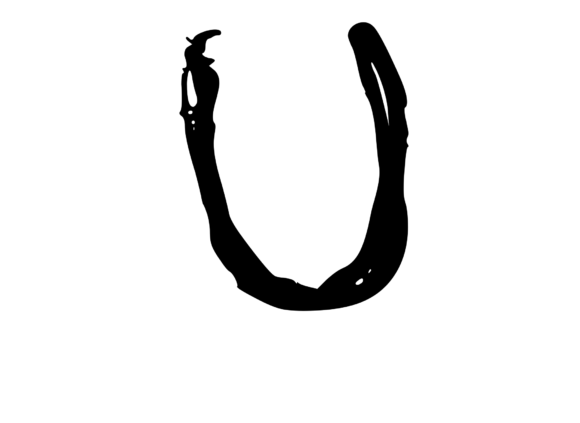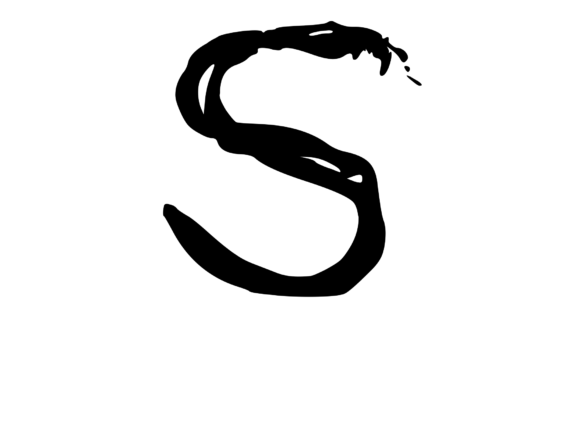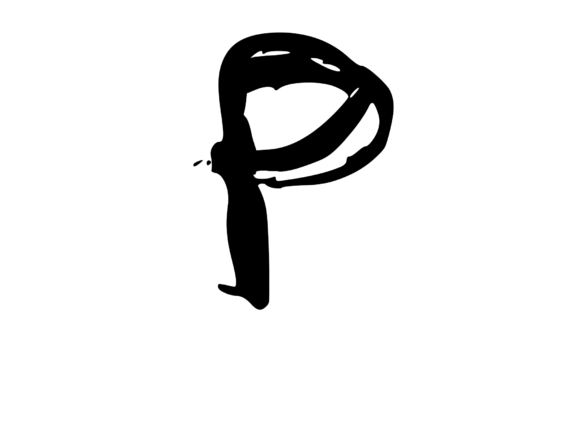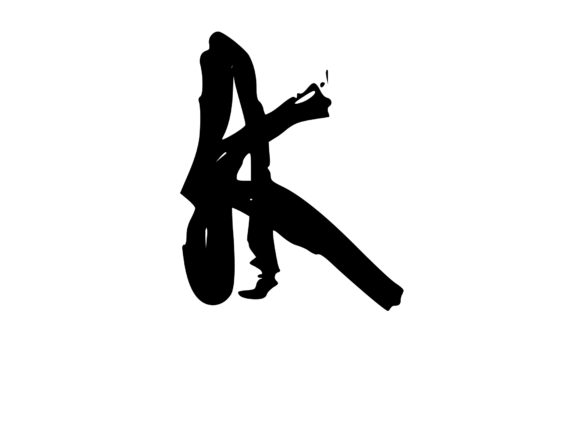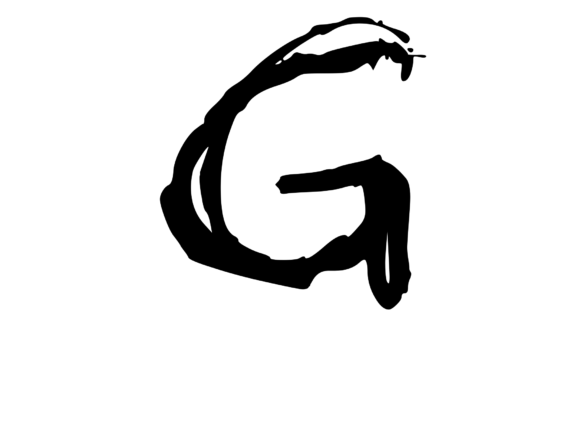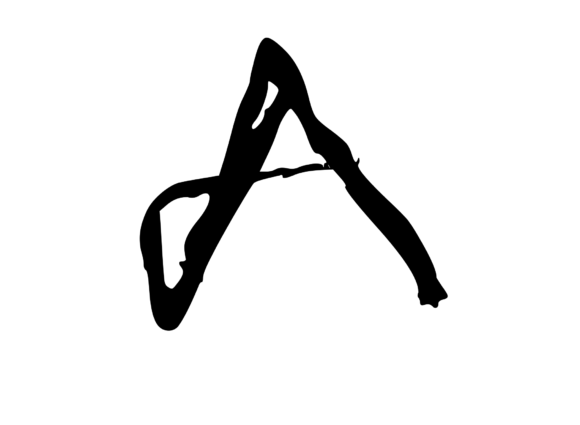
Frightfully Scary Scratched Mono a
When I first opened this file, I expected something over-the-top. The name alone hints at horror themes, jagged edges, and bold Halloween energy. But after spending time with Frightfully Scary Scratched Mono a, I realized this design is more nuanced than its name suggests. It has a gritty, hand-drawn feel that lands somewhere between spooky and artistic. The scratched texture gives it an aged, distressed look, almost like something carved into wood or scratched onto a wall with a steady hand. That mood alone sets it apart from the polished, clean vector graphics that flood the market. For those of us who sew, embroider, and sell handmade products, that raw character can be a goldmine if used in the right context.
First Impressions and Visual Personality
The first thing I noticed is the weight of the lines. This isn't a delicate, fine-line design. It has a bold, almost graffiti-like presence. The scratched effect is not random noise; it feels deliberate, like the artist used a physical tool to create each mark. That gives the design a tactile quality that translates well into embroidery, especially when you want a piece that looks like it has history. The monogram style keeps it centered and readable, so it doesn't get lost in a busy layout. I can already imagine this on a distressed denim jacket or a worn leather patch. It has a rebellious, underground vibe that would appeal to customers looking for something edgy but not cartoonish. The design sits comfortably in the Graphics category, but its potential in Crafts goes far beyond screen use. It wants to be stitched into something tangible.
Where This Design Shines in Real Projects
After testing a few mockups, I found that Frightfully Scary Scratched Mono a performs best on medium to large surfaces where the scratched details can breathe. It works beautifully on the back of a denim jacket, the front of a hoodie, a tote bag, or a chunky knit blanket. It also looks fantastic as an embroidered patch. If you run a small shop or sell at craft fairs, patches made from this design could move fast during the Halloween season. But I wouldn't limit it to October. The scratched texture gives it a vintage concert tee feel that works year-round for alternative fashion, punk aesthetics, or even gothic home decor. I tested it on a simple black sweatshirt using a silver metallic thread, and the contrast was sharp. The scratched lines became more visible, adding depth without needing multiple thread color changes. That is a huge advantage for those of us who digitize or sell finished products. Fewer color swaps mean faster production and lower thread costs, all while maintaining a high-impact look.
A Real Project Scenario: The Tote Bag with Attitude
Last week, I prepared a custom tote bag for a client who wanted something with a dark, literary feel. She runs a small bookshop that specializes in horror and obscure fiction. I suggested Frightfully Scary Scratched Mono a for the front panel. She was initially hesitant, worried it might look too aggressive. I convinced her to let me stitch a sample on a scrap piece of canvas first. The result surprised us both. The scratched texture looked like an old library stamp, worn from decades of use. It had a scholarly grit, not a cheap spooky sticker. I used a charcoal gray thread on a cream canvas to keep it subtle. The design held its shape well inside a standard 5x7 hoop, and the stitch density was manageable. The client ended up ordering a dozen tote bags for her shop, and she plans to use the design on t-shirts for a book club event. This is exactly the kind of real-life application that makes a design worth adding to your library. It is not just a seasonal novelty. It has repeat value.
Where to Use With Care
I always say that no design is perfect for every surface, and Frightfully Scary Scratched Mono a has a few limitations worth noting. Because the scratched effect relies on fine negative space, it can get muddy on highly textured fabrics like fleece, terry cloth, or thick chenille. The gaps that create the distressed look may fill in with fuzz, making the design read as a solid blob from a distance. I also recommend caution with small hoop sizes. If you try to stitch this on a baby onesie or a hat front, the details may become too tight, especially around the edges of the scratched lines. For caps and curved surfaces, I would test it on a practice panel before committing to a final product. The design is bold enough to work, but the curvature of a hat can distort the spacing if the design is too large. Another consideration is fabric color. On dark backgrounds, the scratched effect is most visible when you use a lighter thread. If you stitch it with black thread on a black shirt, you will lose the texture entirely. Plan your thread color with the scratched lines in mind, not just the main shape. A good rule of thumb is to contrast the thread with the fabric, even if it is just a few shades off.
Practical Embroidery Notes Before You Stitch
Before I run any new design through my machine, I take a few steps that save me time and materials. With Frightfully Scary Scratched Mono a, I recommend the same. First, test it on scrap fabric that matches your final product. I used a medium-weight twill for my test, and it performed well. Next, check your stitch density in your software. The scratched texture can introduce small, dense areas that may cause puckering on thinner fabrics. If you plan to stitch it on a lightweight t-shirt or a linen kitchen towel, use a cutaway stabilizer to keep the fabric from distorting. I also suggest running a black and white mockup before selecting thread colors. This helps you see where the scratched lines create visual weight and where they lighten up. It is a quick way to predict how the design will read from a distance. For those of you who sell finished products or digital embroidery files, double-check the licensing terms. The description states that Frightfully Scary Scratched Mono a is a great choice for all artists, designers, and crafters and that you can proudly reproduce it. That is encouraging, but I always advise confirming the exact license terms, especially if you plan to sell embroidered items commercially or redistribute the design as a digital file. When in doubt, reach out to the seller for written permission.
How It Affects Product Value and Customer Trust
One thing that separates a successful small shop from a generic one is the perceived effort behind each item. When a customer buys a handmade product featuring Frightfully Scary Scratched Mono a, they are not just buying a bag or a shirt. They are buying a piece that looks considered. The scratched texture gives the impression of handcrafted care, even though it was stitched by a machine. That irony works in your favor. It adds a layer of depth that plain monograms cannot match. I have found that products with this kind of design language tend to attract customers who appreciate details. They are the shoppers who leave reviews mentioning the quality of the stitching and the uniqueness of the artwork. Those reviews build trust over time. For Etsy sellers and boutique owners, that kind of engagement is gold. It also photographs well. The scratched lines catch light differently depending on the angle, which makes product photos look more dynamic. That helps with listing appeal, social media posts, and printable mockups. If you sell digital design assets, including this in a bundle with matching elements could boost your sales. It has a cohesive visual identity that complements other distressed or vintage-style designs.
Final Thoughts on the Design
I have reviewed a lot of machine embroidery designs over the years, and I can tell when a file was built with the end product in mind. Frightfully Scary Scratched Mono a feels like it was made for someone who actually stitches, not just someone who draws. The scratched effect is not an afterthought; it is the core of the design. It gives you room to be creative with thread choices, fabric textures, and product categories. Whether you are making custom apparel for clients, stocking your craft booth, or preparing holiday gifts, this design holds up under real use. It is bold enough to stand alone and versatile enough to pair with other elements. If you are still on the fence, grab a scrap piece of fabric, hoop it up, and stitch a sample. I think you will see what I mean. Just remember to check your hoop size, choose a contrasting thread, and confirm your usage rights before turning it into a full production run. That small bit of homework will make the difference between a project that looks professional and one that looks rushed. Add this one to your library with confidence, and let the scratched lines do the talking.