Lush Grass Effect Mono 3
As a designer with years of experience in embroidery and digital crafting, I always approach new designs with a critical eye. Lush Grass Effect Mono 3 is no exception. This design promises a lush, natural aesthetic that could elevate a wide range of projects, but how does it hold up in real-world use? Let’s break it down.
First Impressions: A Design That Evokes Nature
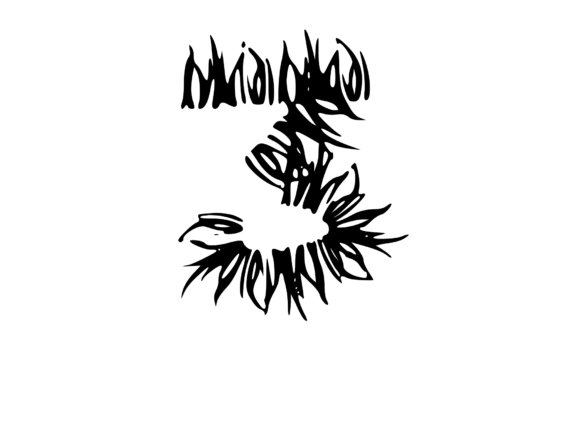
The first thing that stands out about Lush Grass Effect Mono 3 is its ability to create a sense of depth and texture. The design uses a monochrome palette, which gives it a clean, modern look while still maintaining visual interest. The shapes are organic, mimicking the soft curves of grass blades, and the layout feels balanced and intentional. It’s not overly complicated, but it has enough detail to make an impact without overwhelming the viewer.
This design feels like it belongs on items that require a subtle yet meaningful touch—think baby clothes, personalized gifts, or even small shop merchandise. Its simplicity makes it versatile, but its detail level suggests it’s best suited for projects where the embroidery will be the focal point.
Real-World Embroidery Performance
When testing Lush Grass Effect Mono 3 on different fabrics and project types, I found it performs well in most standard applications. On cotton t-shirts, sweatshirts, and tote bags, the design holds up nicely. The stitch density is appropriate for a mono design, allowing the grass-like effect to shine without becoming too dense or stiff.
However, there are some limitations. On thin or stretchy fabrics, the design can sometimes lose some of its definition. This is especially true if the stabilizer isn’t used correctly. For small hoop sizes, the design might require some adjustment to ensure all elements are properly stitched. If you’re planning to use it on caps or curved surfaces, you’ll need to be careful with the placement and hoop size to avoid distortion.
For custom apparel, embroidered patches, or baby items, Lush Grass Effect Mono 3 is a solid choice. It adds a unique, handmade feel that customers often appreciate. But if you’re looking for something that works on dark fabrics or layered garments, you may need to adjust thread colors or consider an applique design instead.
Where to Use It Carefully
While Lush Grass Effect Mono 3 is versatile, there are certain scenarios where it might not be the best fit. For example, on textured fabrics like denim or linen, the design can appear less crisp. Similarly, on very thin or stretchy materials, the stitching might not sit as smoothly as desired.
If you're planning to use this on holiday gifts, wedding items, or other special occasion products, keep in mind that the design’s simplicity might not convey the same level of intricacy as more detailed options. It’s also worth noting that on products that will be washed frequently, such as tea towels or aprons, the design should be tested for durability.
For commercial embroidery projects, especially those involving large quantities, it’s important to confirm that the design works consistently across different machines and settings. Always test it on scrap fabric before committing to a full batch.
Impact on Visual Appeal and Customer Perception
Lush Grass Effect Mono 3 adds a fresh, nature-inspired element to any project. Its clean lines and organic shapes can enhance the visual appeal of handmade products, making them stand out in a crowded market. When used on items like tote bags or sweatshirts, it can increase the perceived value of the finished product, especially when paired with high-quality thread and proper stitching techniques.
From a customer perspective, this design can evoke a sense of calm and authenticity. It’s ideal for personalized gifts or boutique products that aim to connect emotionally with buyers. However, if the design is not executed properly—such as with poor stitch density or incorrect stabilizer—it can look messy or unprofessional, which could hurt brand consistency and customer trust.
Practical Designer Notes
Before using Lush Grass Effect Mono 3 in your own projects, here are a few key tips:
- Test on scrap fabric: Always try the design on the actual fabric you plan to use. This helps identify any issues with stitch density, stabilizer, or thread color contrast.
- Check thread colors: Even though the design is monochrome, the right thread color can make a big difference in how it looks on different backgrounds.
- Review stitch density: Ensure the design isn’t too dense, especially if you’re working with thin or stretchy materials.
- Confirm hoop size: Make sure the design fits within your machine’s hoop size. If not, consider resizing or adjusting the layout.
- Inspect small details: Pay attention to corners and edges, as they can sometimes get distorted during stitching.
- Test in black and white: Sometimes, the design looks better in a simplified format, especially for printable mockups or digital product previews.
- Compare light and dark fabrics: The design may look different depending on the background, so test both.
- Use proper stabilizer: Stabilizer is crucial for maintaining the integrity of the design, especially on delicate or stretchy fabrics.
- Check licensing: If you plan to sell finished items or digital products, make sure you have the proper license to do so.
Final Thoughts: A Design Worth Considering
Lush Grass Effect Mono 3 is a thoughtful design that can add a unique touch to a variety of embroidery projects. Whether you're an Etsy seller, a craft business owner, or a creative entrepreneur, it offers a fresh and practical option for custom apparel, personalized gifts, or small shop merchandise.
That said, it’s not a one-size-fits-all solution. Its performance depends on how it’s used, the fabric chosen, and the technique applied. With the right approach, however, it can become a valuable addition to your design assets and help you create standout products that resonate with your audience.
As always, the key is to test, adapt, and ensure the final result meets your standards and those of your customers. Lush Grass Effect Mono 3 is a good starting point, but it’s up to you to bring it to life.