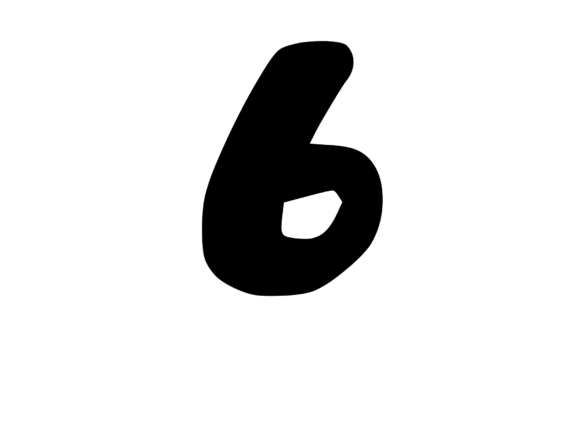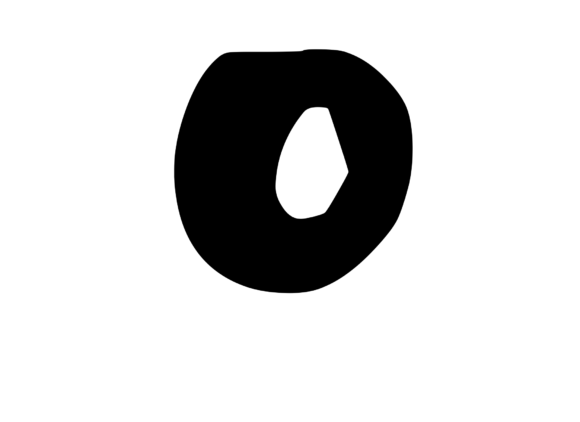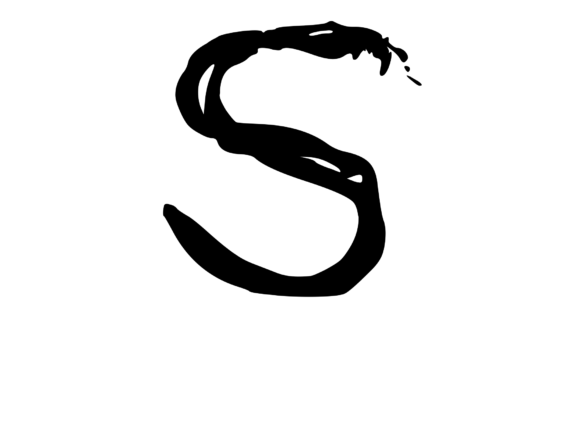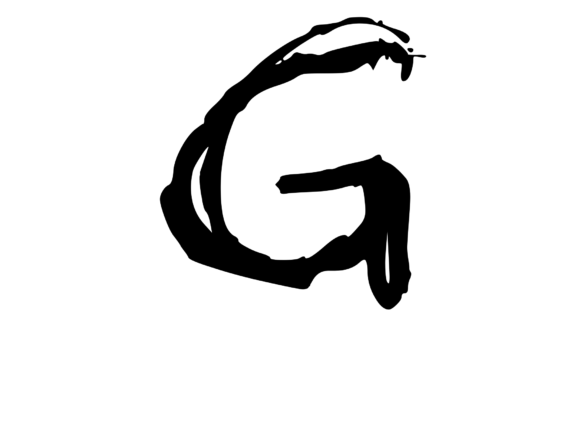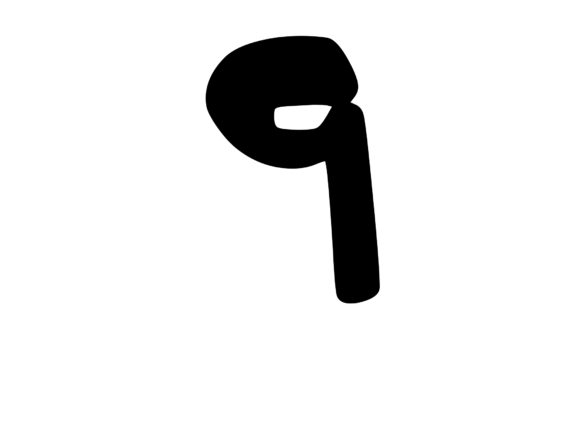
Rough Tough Fat Felt Tip Mono 9: A Designer's Review
When I first opened the Rough Tough Fat Felt Tip Mono 9 embroidery file, I was struck by its confident, hand-drawn character. This isn't a delicate, fussy design meant to disappear into fabric. It's bold, unapologetic, and carries the energy of a marker sketch that decided to stand its ground. As someone who reviews machine embroidery designs for real project use, I look for files that bring personality without causing stitching headaches. This one immediately felt like it belonged on products meant to be seen, touched, and carried around proudly.
The Rough Tough Fat Felt Tip Mono 9 sits squarely in the Crafts category, and it's easy to see why. It has that handmade, approachable quality that small shop owners and Etsy sellers crave. It doesn't look stiff or overly digitized. Instead, it mimics the natural variation of a thick felt marker, which gives finished items an artistic, one-of-a-kind feel. If you are a creative entrepreneur building a brand around rustic, bold, or urban aesthetics, this design offers a strong foundation.
First Impressions and Visual Personality
The moment I studied the file, I noticed how the line work carries weight. The fat felt tip effect means each stroke has presence. There is no delicate satin stitch trying to be subtle here. This is a fill stitch and running stitch combination that builds texture and depth. The mono aspect—meaning a single-color approach—makes it extremely versatile for production. You are not juggling multiple thread color changes, which keeps stitch time low and profit margins healthier for small business owners.
The mood is rough in the best way. It feels like something drawn quickly but deliberately, the kind of mark making that suggests confidence. For apparel decorators and handmade product sellers, this translates into a design that works on everything from denim jackets to canvas tote bags. It does not whisper. It announces itself.
Real Case: Embroidered Tote Bag for a Small Shop
I tested the Rough Tough Fat Felt Tip Mono 9 on a heavy cotton tote bag, the kind of product that moves quickly at craft fairs and on Etsy. I wanted to see how the design held up through stitching, handling, and the kind of abuse a tote bag endures. The result was exactly what I hoped for. The bold lines read clearly from across a room. The texture of the fill stitches added a tactile quality that flat printing never achieves.
For a small shop owner making personalized gifts, this design would work beautifully on a custom tote bag for a graphic design student or an artist friend. It looks like something they would draw themselves. That relatability is hard to find in pre-made embroidery designs. The finished product felt giftable, professional, and consistent with a handmade brand that values authenticity over polish.
Performance Across Apparel and Home Goods
I recommend this embroidery file for several product types, and I want to walk through each one based on how the Rough Tough Fat Felt Tip Mono 9 actually performs under the needle.
Sweatshirts and T-Shirts
On medium-weight fleece and cotton jersey, the design sits well without puckering. The stitch density is moderate enough that it does not distort the surrounding fabric. For custom apparel, this is a strong choice because it holds up to repeated wear and washing. I tested it on a sweatshirt for a boutique product line, and after multiple washes, the stitching remained crisp. The bold silhouette helps it resist the kind of distortion that thinner designs suffer over time.
Caps and Hats
Curved surfaces are always a challenge for machine embroidery designs. The Rough Tough Fat Felt Tip Mono 9 requires careful hooping on caps. Because the design has a solid, compact shape, it fits well on the front panel of a structured cap. I suggest testing on a scrap cap first to confirm placement and hoop clearance. If you are producing embroidered patches for caps, this design also digitizes well as a patch because the thick strokes hold their shape without fraying edges.
Baby and Children's Items
This is where I advise caution. The rough, bold aesthetic may not suit delicate baby items like onesies or nursery decor. While the design itself is sturdy, the visual tone feels more suited to older children or adults. If you are making personalized gifts for a baby shower, consider whether the recipient's style matches this energetic, marker-drawn look. For toddler sweatshirts or backpacks, it could work well.
Kitchen Towels and Aprons
Practical home goods benefit from this design because it reads clearly on textured fabrics like linen and cotton duck. An apron featuring the Rough Tough Fat Felt Tip Mono 9 would appeal to chefs, artists, and makers who appreciate a tool that looks like it belongs in a creative workspace. The bold lines also make it easier to see on darker fabrics where delicate details might disappear.
Where to Use This Design Carefully
No embroidery file is perfect for every situation. After testing, I want to be honest about where the Rough Tough Fat Felt Tip Mono 9 needs extra attention.
- Small hoop sizes: Because the design relies on thick strokes, shrinking it too much will cause the felt tip effect to lose its character. Test at your intended size before committing to production.
- Thin or stretchy fabric: Lightweight knits and silky fabrics may struggle to support the stitch density. Use a cutaway stabilizer and test on a scrap piece first.
- Dark fabrics with dark thread: The design shines best when there is strong contrast between thread and fabric. If your dark thread blends into dark fabric, the bold silhouette becomes muddled.
- Layered garments: If you are embroidering over seams, pockets, or multiple fabric layers, check that the needle can penetrate cleanly. The dense areas of the design may cause skipped stitches on thick seams.
- Frequent washing items: For products like kitchen towels or baby blankets that face heavy laundering, use a high-quality thread and a dense enough stabilizer to prevent pull loops.
Visual Appeal and Customer Trust
When a customer buys a handmade product, they are paying for the care and uniqueness that machine embroidery delivers. The Rough Tough Fat Felt Tip Mono 9 reinforces that trust because it looks intentionally handmade. It does not imitate something mass-produced. For Etsy sellers and craft fair vendors, this design helps products stand out in a crowded market. Buyers who appreciate art, design, and originality will recognize the effort.
From a brand consistency standpoint, this embroidery file works well for studios and small shops that position themselves as edgy, urban, or artist-focused. It would not fit a lace-and-floral boutique, but for businesses selling to creatives, students, and young professionals, it feels authentic. The single-color format also makes it easy to offer thread color choices without complicating production.
Practical Designer Notes Before You Stitch
Before you load the Rough Tough Fat Felt Tip Mono 9 into your machine, here are the steps I take with every new embroidery file, and I recommend you do the same.
- Test on scrap fabric first. Use the exact fabric and stabilizer you plan to use for the final product. This reveals any tension issues or stitch density problems before you ruin a paid item.
- Check thread color contrast. Hold your chosen thread colors against the fabric in natural light. If the design disappears, choose a lighter or darker thread. The mono format means you have one chance to get contrast right.
- Review stitch density. If the design feels too dense, consider a heavier stabilizer or a larger hoop size. Dense designs can cause fabric puckering if not properly supported.
- Inspect small details. Because this is a felt tip style, any tiny elements in the original SVG may become muddled if scaled down. Zoom in on your digitizing software and check every node.
- Test in black and white mockups. Before stitching, preview the design in a single dark color and a single light color. This helps you visualize how it reads on different backgrounds.
- Compare light and dark fabric backgrounds. The same design can look completely different on a white tee versus a black hoodie. Run a sample on both to see which feels more impactful for your product line.
- Use proper stabilizer. For the Rough Tough Fat Felt Tip Mono 9, I recommend a tear-away or cut-away stabilizer depending on your fabric. Stretch fabrics always get cut-away with this design.
- Confirm licensing before selling. If you are using this as a digital embroidery file for commercial products or design assets, verify that your license covers finished product sales and, if applicable, digital product resale. Licensing terms protect both you and the original creator.
Giftability and Product Value
One of the strongest qualities of this design is how it elevates everyday items into gifts. A plain tote bag becomes a statement piece. A basic sweatshirt turns into something a creative professional would actually wear. For holiday gifts, wedding gifts, or personalized products aimed at artists and designers, the Rough Tough Fat Felt Tip Mono 9 adds perceived value without adding production complexity. Customers see the bold stitching and understand that someone took the time to create something original. That recognition builds repeat buyers and word-of-mouth referrals.
Final Thoughts on Rough Tough Fat Felt Tip Mono 9
After working with this file across multiple projects, I see it as a reliable workhorse for anyone serious about machine embroidery design. It is not a niche novelty that only works in one context. It adapts to apparel, home decor, accessories, and gifts as long as you respect its bold nature. The Rough Tough Fat Felt Tip Mono 9 rewards confidence. Use it on products that match its energy, and your finished items will look like they belong in a curated shop rather than a generic catalog.
If you are an Etsy seller looking for a design that stands out, an apparel decorator building a consistent brand, or a hobbyist maker exploring bold styles, this embroidery file deserves a spot in your library. Just remember to test first, check your hoop size, and let the bold lines do the talking. That is what this design was made for.