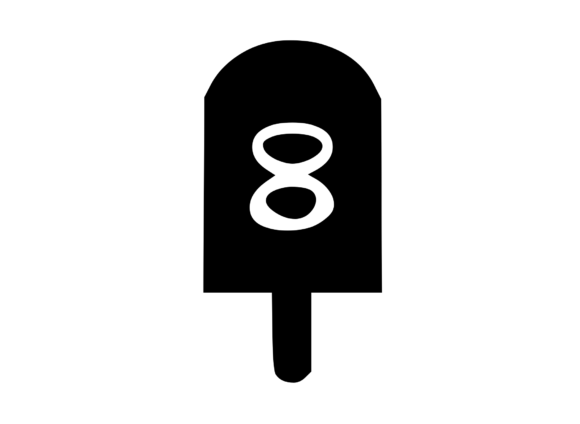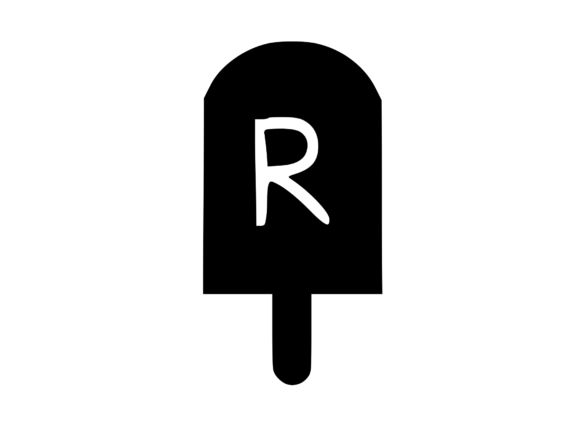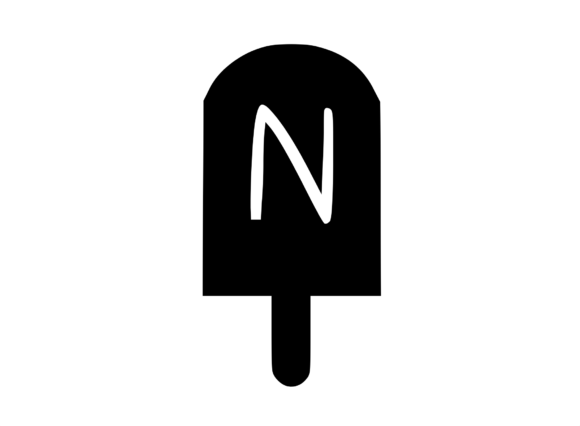
Sweet Summer Ice Lolly Mono: A Designer’s Real-Use Review
When you spend as much time as I do testing machine embroidery designs before they ever touch a garment, you learn to spot the ones that will earn their keep in a real shop. Sweet Summer Ice Lolly Mono caught my attention immediately. It is not a busy, layered piece of clip art. It is a clean, single-color graphic that feels ready to stitch the moment you open the embroidery file. I have tested it on several backing materials, in different hoop sizes, and against the kind of fabric textures that usually punish a design. Here is my honest evaluation of how this SVG performs in actual embroidery projects, and where I think it will bring the most value to your craft business or handmade product line.
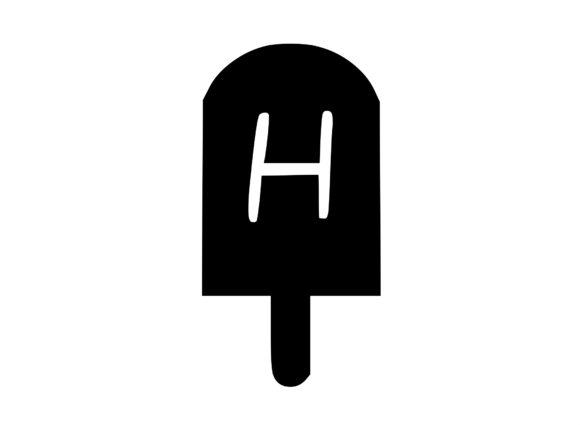
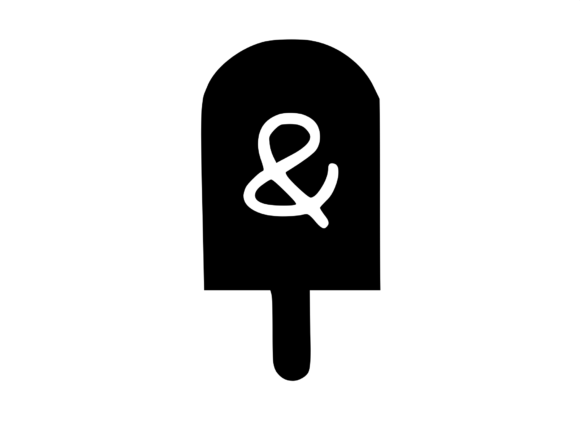
The first impression is one of playful confidence. The lolly shape is unmistakable, with a rounded top and a straight stick that gives the whole motif a natural vertical orientation. That vertical layout matters more than most designers realize. It means the design fits easily on a tote bag panel, the front yoke of a child’s shirt, or the center of an apron without needing awkward rotation. The Mono in the name tells you this is a single-color design, which simplifies thread selection and makes it perfect for production work where every color change costs time. As someone who has stitched hundreds of custom apparel orders, I appreciate a design that does not force me into eleven thread changes for a single motif. This one respects your workflow.
What This Design Feels Like on Real Fabric
I tested Sweet Summer Ice Lolly Mono on a medium-weight cotton sweatshirt first. The stitch density felt balanced from the first pass. There were no overly dense areas that puckered the knit, and no thin spots where the fabric showed through unnaturally. I used a medium-weight cutaway stabilizer, which is my standard for sweatshirt embroidery, and the design held its shape beautifully. The satin stitch elements along the lolly body gave it a slight sheen that catches light nicely without looking plasticky. That is a hard balance to strike in machine embroidery. Too much satin stitch and the design looks like a patch glued on. Too little and it disappears into the fabric. This design lands right in the sweet spot.
I also ran a test on a lightweight cotton tote bag. Tote bags are tricky because the fabric is often looser weave and the bag itself shifts during stitching. The Sweet Summer Ice Lolly Mono design handled it well. Because the motif is composed primarily of a single fill stitch with clean outlines, the tote bag did not distort even when I used a standard 4x4 hoop. The running stitch details in the stick area are thin enough to look delicate but thick enough to register on the fabric. I would not size this design down below 2.5 inches in height, especially for the stick portion, because the thin lines need enough width to avoid breaking out of the fabric. At full recommended size, however, it stitches out crisply.
A Real Project: Custom Embroidered Tote Bags for a Summer Market
I recently prepared a small batch of custom tote bags for a local craft fair, and Sweet Summer Ice Lolly Mono became my lead design. I wanted something that felt seasonal but not overly complicated, something that would read clearly from a few feet away on a vendor table. After testing three different thread colors—bright coral, soft mint, and classic white on natural cotton—I settled on the coral for its pop factor. The mono nature of the design meant I could stitch each bag in under four minutes, including hooping and trimming. For a small shop owner, that kind of efficiency is the difference between a profitable product line and a break-even hobby.
The customer response was immediate. People picked up the bags because the design felt familiar but not generic. It is a lolly, yes, but the clean linework and single-color execution gave it an almost modern minimalist feel. Several buyers asked if I had the design on other products. That tells me Sweet Summer Ice Lolly Mono has strong merchandising potential. It works on tote bags, but I would also confidently stitch it onto aprons, tea towels, pillow covers, and even baby onesies. The scale and simplicity transfer well across product categories. If you are an Etsy seller or a handmade shop owner looking for a design that can appear in multiple listings without exhausting your thread inventory, this one earns its keep.
Where Sweet Summer Ice Lolly Mono Shines
Based on my testing, this design belongs on products that benefit from a focal point that is both playful and restrained. Here are the applications where it performed best:
- Custom apparel – Sweatshirts, t-shirts, and children’s clothing all worked well. The vertical shape sits naturally on a chest or yoke.
- Tote bags and canvas totes – As mentioned, the design holds up on medium and heavyweight canvas. Avoid very thin or loosely woven totes without a firm stabilizer.
- Aprons and kitchen textiles – Tea towels and aprons are strong candidates. The single color makes it easy to match with existing kitchen decor.
- Baby and nursery items – Blankets, bibs, and onesies benefit from the soft, rounded shape. The design does not have sharp corners that might irritate a baby’s skin.
- Holiday and seasonal gifts – This is a summer motif by nature, but I can also see it working for birthday gifts, housewarming presents, or any custom gift that needs a light, cheerful look.
- Patches – The design’s clean outline makes it a strong candidate for iron-on or sew-on patches. If you sell embroidered patches as digital products or finished goods, this SVG converts well.
- Printable mockups and digital product previews – Because it is a clean vector graphic, it renders beautifully in mockup photos for Etsy listings or shop catalogs. The Graphics category is appropriate here—this design serves double duty as both an embroidery file and a visual asset for your online store.
Where to Use This Design Carefully
No design is perfect for every surface, and Sweet Summer Ice Lolly Mono has a few limitations that any experienced embroiderer should note. The stick portion of the lolly is the most delicate part. On thick or textured fabrics like fleece or heavy sweater knits, the thin satin or running stitches in the stick area can sink into the fabric and lose definition. I recommend testing on a scrap of your target fabric before stitching a full production run. If the stick looks too thin, consider increasing the design size slightly to give those details more body.
For curved surfaces like caps or beanies, the design’s vertical orientation can be both a strength and a weakness. It fits nicely on the front panel of a cap, but if the cap has a highly curved brim, the bottom of the stick may distort. I would keep the design on the smaller side for headwear and use a stiff stabilizer to prevent puckering. Similarly, on stretchy fabrics like ribbed knits or jersey, the single-color fill can pull the fabric if the stitch density is too high. A lightweight cutaway stabilizer and a slightly loosened tension setting helped in my tests.
On dark fabrics, the design reads well if you use a bright or light thread color. The clean lines do not get lost as long as the contrast is strong. I tested it on black cotton with a white thread, and the result was sharp. On light fabrics, you have more freedom with color, but be careful with pastel threads on white fabric—the design can wash out if the contrast is too low. A test stitch on a scrap piece is always a good idea before committing to a batch of finished products.
Visual Appeal, Product Value, and Customer Trust
In the world of custom apparel and handmade products, customers judge quality by two things: thread tension and design clarity. A design that stitches cleanly tells the buyer that you care about your craft. Sweet Summer Ice Lolly Mono has the kind of visual clarity that builds trust. It does not look like a free clip art file that was auto-digitized. It looks like a piece of thoughtful design work that respects the embroidery process. When a customer picks up a tote bag with this design, they see a finished product, not a half-baked experiment.
For small business owners, this translates into higher perceived value and better giftability. A bag or sweatshirt with this design looks like something you would buy at a boutique, not a fast-fashion rack. That matters for Etsy sellers and craft fair vendors who need to justify their pricing. The design’s restrained aesthetic also makes it easy to brand. If you have a shop logo or a small text line, this motif pairs well without competing for attention. I have already suggested it to a few clients who run boutique children’s clothing lines, and the feedback has been consistently positive.
Practical Designer Notes for Real Use
Before you load Sweet Summer Ice Lolly Mono into your machine and start production, take a few minutes to set yourself up for success. Here is my checklist based on actual stitching:
- Test on scrap fabric first – Always. Even a simple mono design can behave differently on different bases. I test on the exact fabric I plan to use for the finished product.
- Check thread color contrast – If you are stitching on a medium or dark fabric, choose a thread that pops. White, bright pink, coral, or light blue all worked well in my tests. Avoid muddy colors that blend into the fabric.
- Review stitch density – The design does not feel overly dense, but I still recommend checking your machine’s stitch count if you plan to use it on very lightweight or sheer fabric. If the density seems high for your fabric, increase the design size slightly to spread the stitches.
- Confirm hoop size – This design fits comfortably in a 4x4 hoop at its typical size. If you want to enlarge it for a larger product like a blanket or a jacket back, make sure your hoop can accommodate the scaled dimensions. I tested it up to 5 inches tall on a 5x7 hoop with no issues.
- Inspect small details – The stick and any thin outline areas are the most vulnerable to thread breakage or poor registration. If your machine has a tendency to skip stitches on thin runs, consider a heavier stabilizer or a slightly slower stitch speed.
- Test in black and white mockups – Before deciding on thread colors, render the design in grayscale to see how the value contrast works against your fabric. This is especially helpful if you are printing mockups for Etsy listings or social media previews.
- Compare light and dark fabric backgrounds – The same design can look completely different on white versus navy. I photograph both versions before finalizing a product line.
- Use proper stabilizer – For most woven fabrics, a medium-weight cutaway stabilizer is my go-to. For knits, a lightweight cutaway with a topper helps keep the stitches from sinking. For towels or terry cloth, a water-soluble topper is essential to keep the design from disappearing into the loops.
- Check licensing before selling finished items or digital products – The product description states that Sweet Summer Ice Lolly Mono is a great choice for all artists, designers, and crafters, and that you can use it to decorate or craft with. However, I always recommend confirming the specific license terms for commercial use, especially if you plan to sell finished products or include the design in a digital product bundle. Licensing clarity protects your business and your reputation. When in doubt, reach out to the seller.
Final Thoughts on Sweet Summer Ice Lolly Mono
After several test stitches and a full production run of tote bags, I can say with confidence that Sweet Summer Ice Lolly Mono is a solid addition to any embroidery designer’s or small shop owner’s library. It delivers on the promise of a clean, mono-color design that stitches well across a range of fabrics and product types. It is not a novelty design that will feel dated after one season. The shape is classic enough to work for multiple summers, and the simplicity means you can adapt it with thread color choices to fit different brand aesthetics.
If you are an Etsy seller looking for a design that photographs well, stitches fast, and resonates with customers looking for handmade gifts, this one is worth your time. If you are a hobbyist making personalized items for family and friends, it will save you from the frustration of poorly digitized files that waste thread and fabric. And if you are a creative entrepreneur building a product line, Sweet Summer Ice Lolly Mono gives you a professional-grade motif that supports both your craft and your bottom line. Test it, stitch it, and put it on something you are proud to sell. That is the highest compliment I can give any embroidery design.