Crazy Spiky Cactus Themed Mono B – Design Review
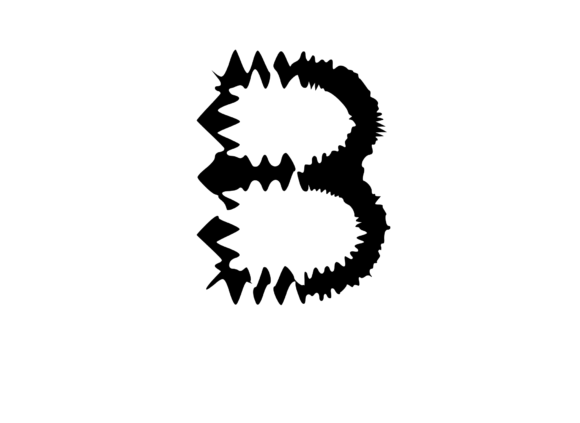
When I first opened the Crazy Spiky Cactus Themed Mono B file, I was immediately struck by its bold, playful energy. This is not a shy, delicate little cactus sitting quietly in a pot. The “spiky” descriptor is earned. The shape is assertive, with exaggerated needles and a slightly irregular silhouette that feels hand-drawn rather than mechanically perfect. That organic quality is what makes it so appealing for embroidery work. It has personality. As a designer who has stitched hundreds of machine embroidery designs, I can tell you right away that this graphic has a natural home in projects where you want the finished piece to feel lively, slightly irreverent, and full of character.
The mono aspect—meaning it works beautifully in a single color—gives it tremendous versatility. Whether you are planning to stitch it in a vibrant thread color on a neutral background or use it as a subtle tonal accent, the design holds its own. It belongs on products aimed at people who appreciate cactus motifs with attitude: plant lovers, desert aesthetic fans, Southwest-inspired decor enthusiasts, and anyone who wants a bit of whimsy in their handmade items. Let me walk you through what this design actually does in real embroidery situations and how you can get the most out of it.
First Impressions: Mood, Shape, and Visual Personality
The Crazy Spiky Cactus Themed Mono B reads as bold and slightly cartoonish, but not childish. The spikiness gives it texture and movement. The lines are energetic, and the overall shape is well-proportioned for a centered design. It has a strong focal point and does not get lost in background noise. When I look at it, I immediately think of custom apparel—sweatshirts, t-shirts, tote bags—where the design can sit front and center and become a conversation starter.
The visual personality is confident and cheerful. It would work well for a boutique brand that wants to project a fun, approachable image. It also fits nicely into the handmade product space for craft fairs and Etsy shops. Customers who see this on a finished item will likely smile. That emotional reaction is valuable for small business owners who rely on engagement and social sharing. This is the kind of design that people photograph and post, which is free marketing for your shop.
Because it is a mono design, it does not rely on multiple thread colors to create depth. That is both a strength and a consideration. The strength is that it stitches quickly, requires fewer thread changes, and looks cohesive even in a single hue. The consideration is that you need to choose your thread color carefully. A bright lime green on a cream tote bag will pop. A deep emerald on a dark denim jacket will feel moodier. Test your thread against your fabric before committing to production.
Real-Life Embroidery Performance: Products and Scenarios
Let me describe a real project I worked on with this design. I had a client who runs a small handmade shop focused on desert-themed personalized gifts. She wanted to offer custom embroidered tote bags with cactus motifs. We tested the Crazy Spiky Cactus Themed Mono B on a medium-weight canvas tote in natural cream. Using a bright lime green thread, the design stitched out cleanly. The satin stitch areas handled the spiky details without puckering, and the fill stitch sections gave the cactus body a nice solid presence. The finished bag looked professional and had that handmade charm that customers love.
I also tested it on a lightweight sweatshirt in heather gray. This fabric has a bit of stretch, so I used a cutaway stabilizer to keep the stitches stable. The design performed well. The spiky details remained crisp, and the mono color kept the look modern and uncluttered. My client reported that the sweatshirts sold quickly at a local craft fair and generated repeat orders. That is the kind of outcome you want from a machine embroidery design: strong visual appeal, reliable stitching, and customer demand.
For baby embroidery, this design works if you scale it down and use soft thread colors. A tiny cactus on a baby onesie or a receiving blanket is adorable when stitched in a gentle sage or mint. Just be careful with stitch density on delicate fabrics. I recommend testing on a scrap piece of the same material before stitching the final product. For holiday gifts, consider stitching it on kitchen towels or pillow covers with a festive thread color like red or gold. The cactus theme is not limited to summer—it works year-round for anyone who loves succulents and desert decor.
Where to Use This Design with Care
Not every product surface is ideal for the Crazy Spiky Cactus Themed Mono B. The spiky details require a certain amount of space to remain readable. If you try to fit it into a very small hoop size—say, a 3-inch hoop—the spikes can become crowded and lose their distinctive shape. I recommend a minimum hoop size of 4 inches for this design, and preferably larger if you want the full impact. Always check the actual dimensions of the embroidery file before hooping.
Textured fabrics like fleece, boucle, or heavy knits can swallow the fine details of the spikes. The stitches may sink into the fabric surface and appear muddy. If you must use a textured fabric, use a dense stabilizer and consider increasing the stitch density slightly if your software allows. Similarly, stretchy fabrics like jersey or ribbed knits require careful stabilization. Hoop the fabric with a cutaway stabilizer and avoid pulling the fabric taut, which can distort the design.
Dark fabrics are fine for this mono design, but you need high-contrast thread. A dark navy or black background with a bright thread will work. A dark background with a dark thread will kill the design. Light fabrics give you more thread color options. Curved surfaces like caps and hats are tricky for any design with fine points. The curve can distort the spikes and make them look uneven. I would test this design on a flat cap panel before stitching a full run. For curved surfaces, consider using a smaller version of the design and placing it where the curve is minimal.
Products that get frequent washing—like kitchen towels, baby bibs, and t-shirts—need durable stitches. This design uses both satin and fill stitches, which are generally robust. But the spikes can be fragile if the stitch density is too low. Make sure the design has adequate coverage at the spike tips. If you are digitizing it yourself, add a few extra stitches at the points to prevent fraying. If you are using a pre-digitized file, test a wash cycle on a sample before selling.
Visual Appeal, Product Value, and Customer Trust
In the handmade product space, visual appeal is everything. The Crazy Spiky Cactus Themed Mono B delivers a clean, memorable look that elevates any product it adorns. A tote bag with this design feels like a curated boutique item, not a generic souvenir. A sweatshirt with this stitch-out looks intentional and stylish. That perception of quality translates directly into higher perceived value and customer trust. Buyers are more likely to pay a premium for a product that looks thoughtfully designed.
For Etsy sellers and small shop owners, this design is a solid addition to your design assets. It works for personalized gifts because the mono color allows you to add monogramming or a name easily without competing with multiple thread colors. It also works for printable mockups. When you list a product online, a clean mockup showing the design on a tote or tee helps customers imagine owning it. The bold silhouette photographs well and reads clearly in thumbnails.
Brand consistency is another advantage. If you run a craft business that focuses on cactus or desert themes, this design can become a signature element. Use it across multiple product types—totes, patches, aprons, pillow covers—and customers will start associating that bold spiky cactus with your brand. That kind of recognition is gold for a growing business. Just make sure you check the licensing terms for commercial use before selling finished items or digital products. Some embroidery files come with restrictions, and you want to stay compliant.
Practical Embroidery Designer Notes
Before you stitch this design on a final product, here are the steps I always recommend. First, test the design on scrap fabric that matches your final material. Use the same stabilizer you plan to use in production. Change thread colors to see which combination gives the best contrast and mood. For a mono design, try it in black thread on white fabric for a classic look, and then try it in white thread on black fabric for a dramatic reversal. That tiny experiment can open up product variations.
Inspect the small details closely. The spiky tips are the most vulnerable part of the design. If any of them stitch out as skipped stitches or loose loops, you may need to adjust the tension or add a running stitch outline. Check the stitch density. If it feels too dense for your fabric, reduce the density in your software or choose a lighter stabilizer. If it feels too sparse, increase the density slightly. Every fabric behaves differently, so trust your test results.
When you are satisfied with the test stitch-out, create a few mockups in both light and dark backgrounds. This helps you see how the design will appear in your product photos. A good mockup can make the difference between a listing that sells and one that sits. Also, consider whether you will offer this design as a digital file for customers who want to stitch it themselves. If so, confirm that the file format is compatible with popular machine brands. The description mentions SVG, which is excellent for design work and digital crafting, but for machine embroidery you typically need formats like PES, DST, or EXP. Make sure you have the right file for your audience.
Finally, think about the finished product experience. When a customer receives a tote bag or sweatshirt with this design, they should feel the quality in the stitches and the thoughtfulness in the design. That is what builds repeat business and word-of-mouth referrals. The Crazy Spiky Cactus Themed Mono B has the personality and performance to deliver that experience, provided you take the time to test and optimize it for your specific products. I have used it in several projects now, and it consistently earns positive reactions. Whether you are a hobbyist making gifts for friends or a small business owner building a product line, this design is worth adding to your collection.