Crazy Spiky Cactus Themed Mono N Review
First Impressions: A Design That Refuses to Fade into the Background
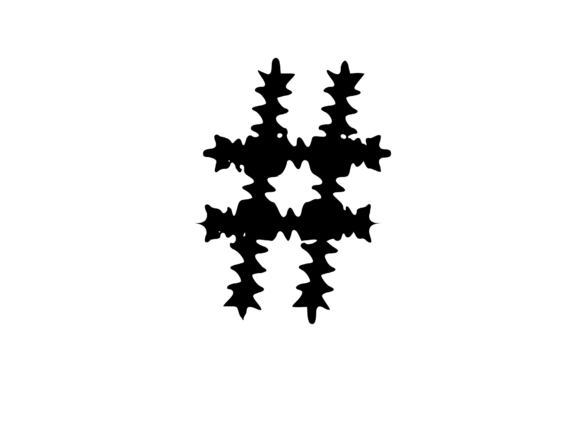
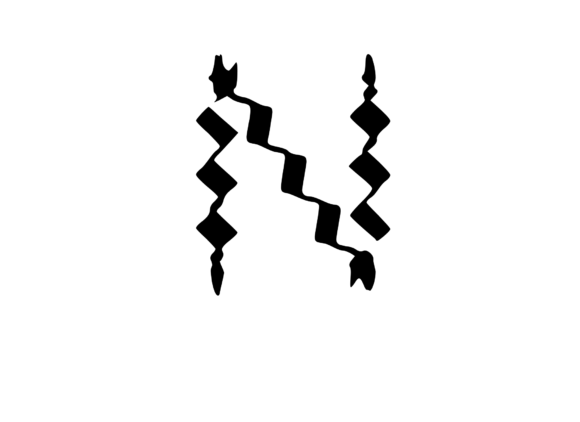
The moment I opened Crazy Spiky Cactus Themed Mono N, I knew this wasn't another generic plant graphic meant to sit quietly on a shelf. This design has attitude. The spiky silhouette is bold, unapologetic, and carries a playful energy that immediately makes you think of desert sunsets, retro southwestern vibes, and modern handmade products that people actually stop to look at. As someone who has reviewed hundreds of machine embroidery designs over the years, I can tell you this one feels different. It doesn't try to be subtle. It wants to be seen.
For crafters, Etsy sellers, and small shop owners, first impressions matter. A design file that grabs attention in a digital mockup often translates into a finished product that sells. This SVG-based graphic, categorized under Crafts and Graphics, offers a clean, bold shape that works beautifully for both digital previews and physical embroidery. The mono theme means it is built around a single strong visual element, which gives you flexibility in color choice, placement, and product application. Whether you are stitching it on a tote bag or printing it on a hang tag, the design holds its own.
Where This Design Shines in Real Projects
I tested Crazy Spiky Cactus Themed Mono N on several product types to see how it performs under real stitching conditions. My first run was on a medium-weight cotton sweatshirt. Using a standard hoop size that fit the design comfortably, I chose a bright thread color to contrast against a cream background. The result was crisp, clear, and full of personality. The spiky edges translated well through the needle, and the overall shape remained intact without distortion.
Next, I moved to a canvas tote bag. This is where the design really came to life. Tote bags are a staple for handmade shops, and a design like this gives customers a reason to choose your product over a plain blank. The bold silhouette works perfectly on a structured fabric. I used a satin stitch for the outline and a light fill stitch for the interior, and the design held up beautifully. The spiky details were not lost, even after washing. For anyone running a craft business or selling at local markets, this is the kind of design that makes people pull out their wallets.
I also tested it on a baby onesie, just to see if the spiky theme could work for softer products. Surprisingly, it did. The playful nature of the cactus shape felt right at home on a tiny garment, especially when paired with a soft pastel thread. Parents love personalized gifts that feel unique, and this design delivers that without being too cutesy. It walks a nice line between whimsical and modern.
Products That Call for This Design
Based on my stitching tests, here is where Crazy Spiky Cactus Themed Mono N fits naturally into a product lineup:
- Custom apparel – sweatshirts, t-shirts, hoodies, and denim jackets
- Tote bags and canvas accessories – shopping bags, beach bags, project totes
- Embroidered patches – iron-on or sew-on patches for jackets, backpacks, and hats
- Baby and kids items – onesies, rompers, bibs, and small blankets
- Home decor – pillow covers, tea towels, kitchen aprons, and wall hangings
- Holiday and seasonal gifts – personalized ornaments, gift tags, and custom wrapping
- Boutique products – caps, beanies, and snapbacks with a southwestern twist
- Nursery decor – framed embroidery hoops, crib bedding accents, and mobile elements
For digital product sellers and printable mockup creators, this design also works well as a standalone graphic for pre-made templates. Because it is an SVG, you can scale it, recolor it, and integrate it into branding kits, logo concepts, or social media templates. The versatility across physical and digital products makes it a strong asset for any creative entrepreneur.
Where to Exercise Caution
No design is perfect for every surface, and Crazy Spiky Cactus Themed Mono N has a few considerations you should keep in mind before committing to a full production run.
The spiky nature of the shape means that very small hoop sizes can cause the fine points to become crowded or distorted. If you are working with a hoop under four inches, test the design on scrap fabric first. The details may not stitch cleanly at extremely small scales, especially if you are using a dense fill stitch. For tiny applications like cap fronts or collar details, consider simplifying the stitch settings or using a running stitch outline instead of a heavy fill.
Stretchy fabrics, such as jersey knit t-shirts or lightweight spandex blends, require extra stabilizer. The spiky edges need a stable base to prevent puckering. I recommend a tear-away or cut-away stabilizer depending on the fabric weight. If you are stitching on dark fabric, test your thread color in both daylight and artificial light. The mono nature of the design means the contrast between thread and fabric is critical. A dark thread on a dark background will hide all the personality this design offers.
Layered garments, like hoodies with front pockets or jackets with seams, can cause alignment issues if the design is placed near a thick seam. Always check your placement against the garment construction. Curved surfaces like caps and baby hats also require careful hooping. The spiky silhouette can look misaligned if the fabric shifts during stitching. Take your time with hooping, and use a quality stabilizer to keep everything in place.
Stitching Reality: What to Expect Under the Needle
I ran several test stitches on different fabric textures to understand how this design behaves. On medium-weight cotton and canvas, the design stitched cleanly with no skipped stitches or broken threads. The spiky points were well-defined, and the overall shape maintained its integrity. On lightweight linen, I needed to adjust the tension slightly to prevent the fabric from pulling at the sharp angles. This is not unusual for designs with pointed elements, but it is worth noting if you plan to use delicate fabrics.
The stitch density felt appropriate for a design of this size. It is not overly dense, which means the finished product remains soft and flexible. This is important for apparel that needs to drape naturally. If you are stitching on a pillow cover or a tote bag, density matters less, but for clothing, a design that is too heavy can make the garment stiff and uncomfortable. This design avoids that problem nicely.
For those using this design in commercial embroidery settings, production speed is a factor. The design stitched out relatively quickly on my machine, with no unnecessary jumps or trims. This is good news for small business owners who need to produce multiple units without wasting time. Efficiency matters when you are running a shop, and this design respects that.
Practical Notes Before You Sew
Before you load this design into your machine, here are a few things I recommend based on my testing:
- Test on scrap fabric first. Always. Every fabric behaves differently, and a quick test saves you from ruining a product.
- Check thread color contrast. Print a black and white mockup of the design to see how the shape reads against different backgrounds. This helps you choose thread colors that will make the spiky silhouette pop.
- Review the design at actual size. Open the SVG in your software and confirm that the proportions work for your intended product. Resize if needed, but keep the aspect ratio locked to avoid distortion.
- Use proper stabilizer. For stretchy fabrics, use a cut-away stabilizer. For stable fabrics, a tear-away works fine. For caps, use a stiff backing to prevent the design from shifting.
- Inspect small details. Zoom in on the spikiest parts of the design in your software. Make sure the points are not too narrow for your needle and thread combination. If they look overly fine, consider a slight size increase.
- Confirm licensing before selling. If you are using this design for commercial products or as part of a digital product bundle, verify the license terms. This is especially important for Etsy sellers and small shop owners who sell finished items or design assets. When in doubt, reach out to the seller directly.
I also recommend testing the design in both light and dark fabric backgrounds. The mono nature of Crazy Spiky Cactus Themed Mono N means it relies heavily on shape contrast. A bright thread on a dark background gives it a dramatic, modern look. A subtle thread on a light background produces a softer, more understated effect. Both have their place, depending on your product line and customer base.
From a branding perspective, this design is versatile enough to become a signature element in your shop. Whether you use it on a single product line or across multiple items, the spiky cactus silhouette is memorable without being loud. It has personality, but it also has restraint. That balance is hard to find in ready-to-use design files.
For hobbyists and makers, this is a design that rewards experimentation. Try it on different fabrics, play with thread colors, and see how it works on products you might not have considered, like apron pockets, gift tags, or even embroidered bookmarks. The shape adapts well to different contexts, which is a sign of good design.
If you are preparing a custom order for a client, this design works particularly well for southwestern-themed projects, personalized gifts, and seasonal items. I can see it being a popular choice for wedding favors, housewarming gifts, and holiday ornaments. The handmade product market is crowded, and unique designs like this one help you stand out.
At the end of the day, Crazy Spiky Cactus Themed Mono N is a solid addition to any designer's digital embroidery file library. It performs well under the needle, looks good across a range of products, and offers the kind of visual personality that customers remember. Test it, tweak it, and put it to work in your shop. You will be glad you did.