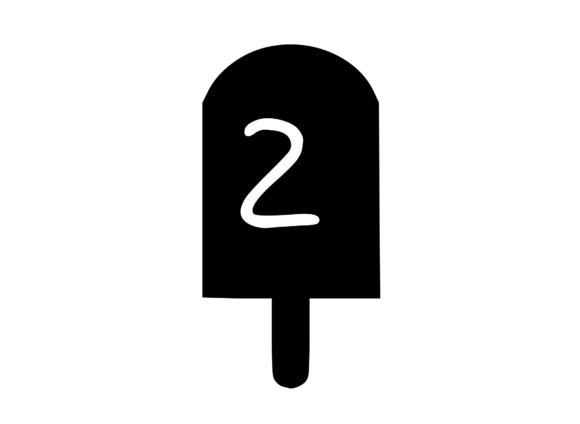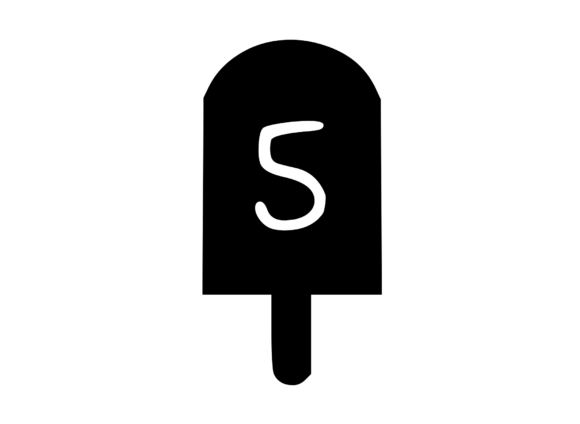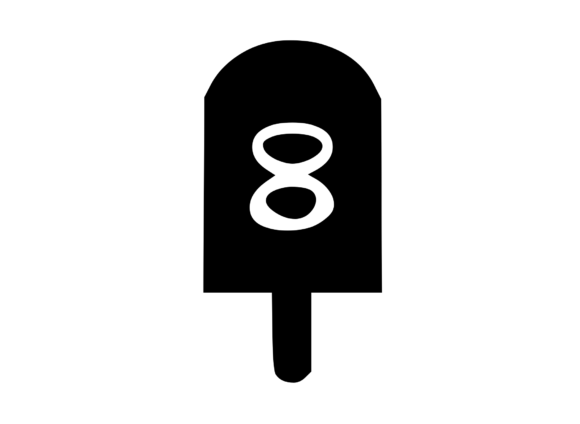
Sweet Summer Ice Lolly Mono I
Every now and then a design crosses my desk that makes me stop scrolling and actually think about where I would stitch it, who would buy it, and whether the finished piece would hold up after a season of use. The Sweet Summer Ice Lolly Mono I is exactly that kind of design. It arrives as an SVG file under the Graphics category within Crafts, which means it is vector artwork ready for adaptation. For those of us who work in machine embroidery, that is the starting line, not the finish. What matters is how this graphic translates into thread, fabric, and a finished product a customer will love. After spending time with this design and running it through a few real project scenarios, I want to share what I have found so you can decide if it belongs in your next batch of work.
A Designer’s First Read on the Sweet Summer Ice Lolly Mono I
The first thing that strikes me about this design is its clean, playful confidence. The ice lolly shape is immediately recognizable and carries a sense of summer nostalgia without feeling childish. The mono treatment keeps the linework simple and unfussy, which is exactly what I look for when planning embroidery. Overly complicated vector art often becomes a headache when digitized, but this one feels like it was made with stitch planning in mind. The outline is bold enough to hold its shape at a reasonable size, and the interior space leaves room for satin stitch, fill stitch, or even a subtle running stitch accent depending on the effect you want. The mood is light, cheerful, and accessible. It is the kind of graphic that works on a kid’s shirt just as easily as it does on a boutique tote for a summer market.
From a design asset perspective, the Sweet Summer Ice Lolly Mono I gives you a lot of flexibility. Because it is a mono graphic, you are not locked into a specific color palette. That matters when you are stitching for different clients or building a product line. You can run it in a single thread color for a modern minimalist look, or you can treat it as a outline guide and build your own color blocking underneath. For a digital embroidery file that will eventually become a physical product, that kind of adaptability is gold.
Real Project Performance and Product Fit
I tested this design in my mind across several real product scenarios before I even loaded it into my software. The first project I pictured was a custom embroidered tote bag for a small shop that sells at weekend farmers markets. A natural cotton tote with this design in a bright coral or soft yellow thread would catch eyes without screaming for attention. The simple shape stitches out cleanly on medium-weight fabric, and because the design is not overly dense, it does not distort the bag’s structure. That is a big win for totes, which often get stuffed with produce and books. You want embroidery that stays flat and readable after real use.
I also imagined it on a sweatshirt embroidery project. A classic cream or heather grey sweatshirt with the Sweet Summer Ice Lolly Mono I placed at the chest or slightly off-center would make a strong summer-themed piece for an apparel line. The mono linework reads well from a few feet away, which is important for custom apparel where the design needs to register quickly. For baby embroidery, this design is lovely in a small hoop on a onesie or a lightweight blanket, especially if you use a soft fill stitch and pastel thread. It is not so detailed that it gets lost on tiny garments, and it does not have sharp corners or tiny elements that might fray or irritate sensitive skin.
For embroidered patch production, this design is a natural fit. The clean outline converts easily to a patch shape with a border stitch, and the interior can be filled with satin stitch or left as an outline patch for a more modern look. Patches with this design would sell well at craft fairs or on Etsy as iron-on accessories for jackets, backpacks, and denim. It also works beautifully as a small accent on pillow covers, tea towels, and kitchen linens for summer-themed home decor. If you are an Etsy seller looking to build a seasonal collection, this design gives you a consistent visual anchor that can appear across multiple product types.
Where to Use This Design Carefully
No design is perfect for every surface, and the Sweet Summer Ice Lolly Mono I has a few situations where I would advise caution. The first is very small hoop sizes. If you try to stitch this design under two inches tall, the fine lines of the mono graphic may lose definition, especially on textured or stretchy fabric. I recommend testing at your intended size on scrap fabric before committing to a production run. On dark fabric, the design still works well if you choose a thread color with strong contrast, but because it is a mono outline, light thread on dark fabric will read differently than dark thread on light fabric. Always check your black and white mockups before you stitch.
On highly stretchy fabrics like thin jersey or performance knits, this design may require extra stabilizer to keep the stitches from puckering. The shape itself is not problematic, but any mono design with continuous lines can pull if the fabric shifts during stitching. A tear-away stabilizer with a topper usually solves this, but do a test stitch first. On curved surfaces like caps or baby bonnets, the design should be placed where the fabric is flattest to avoid distortion. The ice lolly shape is symmetrical enough that slight curves can make it look lopsided. For holiday embroidery or gifts that will be washed frequently, consider using a poly thread that holds up to repeated laundering, and make sure your stitch density is not so tight that it creates a stiff patch in the fabric.
How This Design Affects Product Value and Customer Trust
When I evaluate a design for commercial embroidery, I think about how it will influence the buyer’s perception of the finished product. The Sweet Summer Ice Lolly Mono I has a clean, intentional look that signals quality. It does not feel like clip art or something thrown together. That matters when you are selling personalized gifts or boutique merchandise. Customers who buy handmade products are often looking for something that feels curated and special. A design like this, when stitched cleanly with good thread tension and proper stabilizer, elevates the entire piece. It makes the product look more polished and professional, which builds trust and encourages repeat business.
For digital product sellers who offer printable mockups or design assets, this SVG is a strong addition to your library. Buyers can use it to create their own embroidery projects, and because it is a mono graphic, it works across multiple applications. The fact that it is categorized under Graphics within Crafts means it is positioned for creative reuse, and that is exactly what crafters and small business owners need. Whether you are stitching it yourself or selling the digital file, the design’s clarity and versatility give it staying power.
Practical Designer Notes Before You Stitch
Before you commit this design to a client project or a production run, I recommend a few practical steps. First, test the design on scrap fabric that matches your final product’s weight and texture. Check how the satin stitch or fill stitch behaves at your chosen size. If you are digitizing from the SVG yourself, pay close attention to stitch density. Mono graphics can sometimes digitize with longer stitch lengths than needed, which may cause gaps or loose threads. Adjust your settings to keep the linework tight but not brittle.
Second, review thread color contrast against both light and dark fabric backgrounds. A mono design lives or dies on its outline clarity. If the thread blends into the fabric, the design loses its visual impact. I also recommend testing in black and white mockups to see how the design reads without color distraction. Third, confirm your hoop size before you start. The design should fit comfortably within your hoop with room for stabilizer and fabric handling. If you plan to sell finished products or digital embroidery files based on this design, double-check the licensing terms. The product description states it is a great choice for artists, designers, and crafters, but always verify whether commercial use is allowed for your specific business model before listing items for sale.
Finally, consider the stabilizer. For most medium-weight fabrics, a cut-away stabilizer will give you the cleanest result. For lightweight or delicate fabrics, a tear-away may work, but test first. Proper stabilizer choice prevents distortion and keeps the design looking crisp after multiple washes. If you are stitching patches, a heavy-duty stabilizer or a patch backing will give the finished piece the structure it needs.
Final Thoughts on the Sweet Summer Ice Lolly Mono I
This design earns a solid recommendation from me for anyone who works in custom apparel, handmade products, or digital crafting assets. It is versatile enough for a wide range of projects, from baby embroidery and personalized gifts to boutique merchandise and craft fair inventory. The mono treatment keeps it modern and adaptable, and the ice lolly theme is specific enough to feel intentional without being limiting. If you are an Etsy seller, a small shop owner, or a hobbyist looking to expand your embroidery project library, the Sweet Summer Ice Lolly Mono I is worth adding to your collection. Just remember to test your size, thread, and stabilizer before you stitch, and you will have a finished product that looks as good as the concept promises.