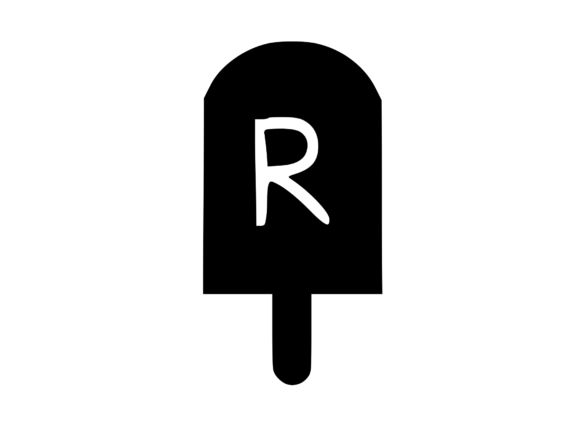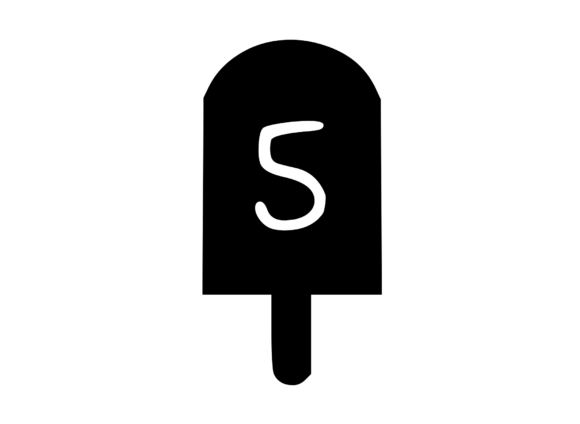
Sweet Summer Ice Lolly Mono 5 Review
When I first opened this design file, I was curious how a single-color lolly motif would hold up in real embroidery work. Sweet Summer Ice Lolly Mono 5 arrived as a clean SVG, and my initial reaction was that its simplicity could be either a strength or a limitation depending on the project. After stitching it out on several fabric types and product blanks, I have a clear picture of where this design shines and where it needs careful handling.
A Clean, Playful Mood That Reads Well at a Distance
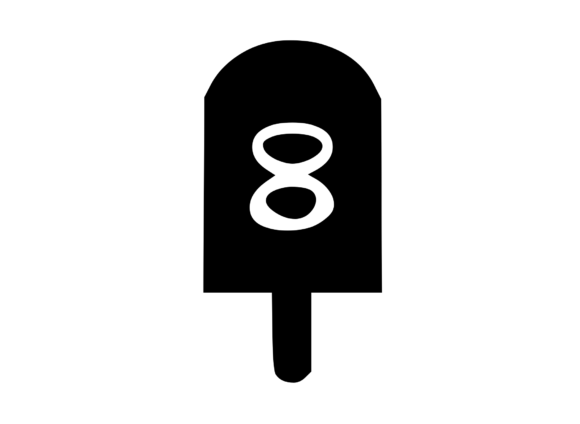
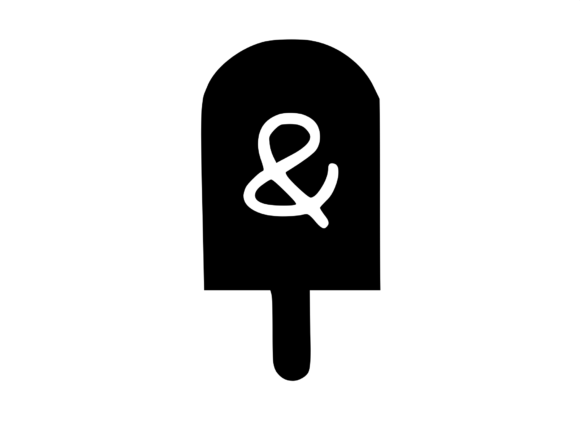
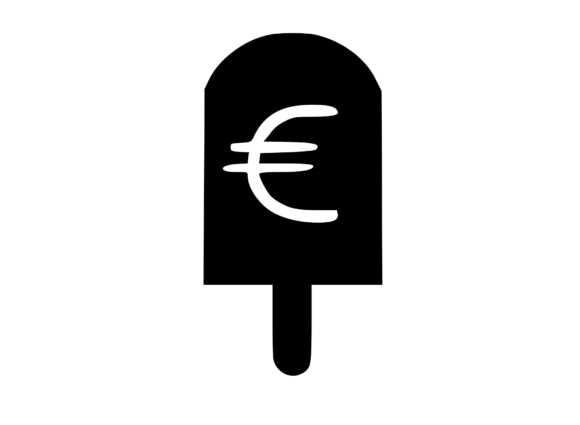
The first thing you notice about Sweet Summer Ice Lolly Mono 5 is its straightforward silhouette. It does not rely on heavy shading or intricate internal lines. Instead, the shape carries the personality. The lolly form is recognizable and playful, with a slight curve that gives it motion. The mono aspect means it works best as a single-color statement, which immediately makes it appealing for production sew-outs where you want to minimize thread changes and keep stitching time efficient.
The mood is light, seasonal, and accessible. It feels like something you would see on a boutique apron at a summer market or on a tote bag carried to the farmers market. It does not overcomplicate itself. For a craft business owner or Etsy seller looking for versatile Graphics that translate well into stitched goods, this design offers a friendly entry point.
How It Performs on Real Products
I tested Sweet Summer Ice Lolly Mono 5 on several common blanks to see how it behaved in production-like conditions. Here is what I found across different product categories:
- Custom apparel and sweatshirts – On a mid-weight cotton sweatshirt, the design stitched cleanly. The single-color fill kept the process fast, and the outline held its shape well. I used a medium-weight cutaway stabilizer, and the results looked crisp. For a small shop producing summer-themed apparel, this could be a reliable quick seller.
- Tote bags and aprons – On cotton tote bags and a canvas apron, the design sat nicely without puckering. The lolly shape is compact enough that it does not overwhelm a tote front, yet it is visible enough to serve as a focal point. I can see this working well for boutique merchandise or craft fair products where you want a simple, recognizable graphic.
- Baby clothes and childrens items – I stitched it onto a soft onesie and a small pillow cover. The design size felt appropriate for a baby garment. Because it is a mono design, there is less risk of thread tension issues shifting multiple colors on delicate knits. It stayed readable and cute without being busy.
- Embroidered patches – The design digitized nicely as a patch. The outer shape provided a natural border for a merrowed edge or a satin stitch finish. For anyone producing patches for craft business sales, this design has a clean edge that finishes well.
- Holiday and gift items – While the theme is summery, the simple shape could work for summer birthday gifts, baby shower favors, or vacation-themed holiday embroidery. It does not scream a specific occasion, which gives it a longer seasonal shelf life.
Where the Design Works Best and Where to Be Cautious
No design is perfect for every surface, and Sweet Summer Ice Lolly Mono 5 has its limitations. As an embroidery designer, I always note where a design might struggle so you can avoid wasting materials.
Use this design carefully on:
- Small hoop sizes – If you are working with a 4x4 hoop, the design needs to be scaled appropriately. At very small sizes, the lolly shape may lose some of its visual charm because the details become too condensed. I recommend testing it at your intended size on scrap fabric first.
- Stretchy or thin fabrics – Mono designs with solid fill areas can pull on stretchy knits if the stitch density is high. I used a tear-away stabilizer on a light cotton tee and saw slight distortion. Switching to a cutaway stabilizer solved the issue. Always check fabric texture and stabilizer choice before committing.
- Dark fabrics – Because this is a mono design, thread color contrast becomes critical. On dark fabric, a light or bright thread makes the lolly pop. But if you use a dark thread on a dark background, the shape will disappear. Test your thread color against the fabric before production.
- Curved surfaces like caps – The design has a straight vertical orientation. On a curved cap surface, the shape may need to be repositioned or slightly rotated to sit naturally. I would not recommend this design for the front center of a cap unless you adjust the angle in your software.
- Products that need frequent washing – The fill stitches on a mono design are generally durable, but high-density areas can shrink or pucker after repeated laundering if not stabilized well. For kitchen towels or baby items that will be washed often, use a high-quality stabilizer and test a sample.
Visual Appeal and Product Value
From a customer perspective, Sweet Summer Ice Lolly Mono 5 reads as playful without being childish. That is a fine line to walk. The design feels intentional. It does not try to do too much, which actually increases its perceived value on a finished product. When a customer sees a cleanly stitched lolly on a tote bag or a sweatshirt, it looks like a considered boutique piece rather than a rushed filler design.
For the small business owner or handmade shop owner, this translates to higher perceived quality. A design that stitches cleanly and does not cause thread breaks or puckers means fewer production headaches and more consistent inventory. That reliability matters when you are producing multiple units for a craft fair or an Etsy drop.
The mono nature also means you can offer thread color customization without complicating your workflow. A customer might want a coral lolly on a cream sweatshirt, or a mint lolly on a natural tote. Because there is only one color, you can fulfill those requests quickly. This flexibility is valuable for Crafts sellers who produce personalized gifts and custom apparel.
Practical Designer Notes Before You Sew
Before you load this file into your machine, here are a few things I recommend checking based on my test runs:
- Test on scrap fabric first – I always say this, but it matters especially with mono designs. The simplicity of the design means any stitching imperfection will be visible. A test sew-out lets you catch tension issues before you stitch a final product.
- Check thread color contrast – Because there is no second color to add depth, the thread color you choose is everything. Hold your thread next to the fabric and view it from a few feet away. If it blurs into the fabric, choose a different shade.
- Review stitch density – Mono designs can have dense fill areas. Check your software for the stitch count and density settings. If it seems too dense for your fabric, consider reducing the density slightly or using a lighter stabilizer.
- Confirm hoop size – Make sure the design fits comfortably within your hoop with room for the fabric to move. Do not force a design into a hoop that is barely large enough.
- Test in black and white mockups – Before stitching, view the design in grayscale. This helps you see if the shape reads clearly without relying on color. If it looks muddy in grayscale, it will likely look muddy in single-color stitching.
- Compare light and dark fabric backgrounds – Stitch one sample on light fabric and one on dark fabric with the same thread color. You will immediately see which combinations work and which ones lose definition.
- Use proper stabilizer – For most cotton and poly-cotton blends, a medium-weight cutaway stabilizer gave me the best results. For stretchy fabrics, increase to a heavy-weight cutaway.
- Check licensing before selling – The product description notes this design is for all artists, designers, and crafters. But confirm the specific license terms for commercial use, especially if you plan to sell finished items or include the design in digital product bundles. Do not assume blanket permission.
Should You Add This Design to Your Library?
I think Sweet Summer Ice Lolly Mono 5 earns a practical place in a working embroidery designers collection if you produce seasonal merchandise, boutique products, or personalized gifts. It is a design that delivers on its promise of simplicity without feeling unfinished. The key is knowing which products it suits and which fabric types it prefers.
For the Etsy seller looking to expand their summer offerings, or the craft business owner who wants a reliable mono graphic for tote bags and apparel, this design is worth testing. It will not replace a detailed multi-color piece, but that is not its role. Its role is to be clean, fast, and appealing. And in that role, it performs well.
If you are a hobbyist stitching for family gifts, the low thread count and straightforward shape make it a stress-free project. If you are a commercial embroiderer producing in small batches, the efficiency of a mono design matters. Either way, take the time to test your combination of thread, fabric, and stabilizer before you run a full batch. That step alone will determine whether the finished product looks like a professional piece or a rushed experiment.
For anyone who values design assets that translate directly into real products without constant adjustment, Sweet Summer Ice Lolly Mono 5 is a solid, usable option. It will not wow you with complexity, but it will earn your trust with consistency.