Sweet Summer Ice Lolly Mono Euro – A Practical Review
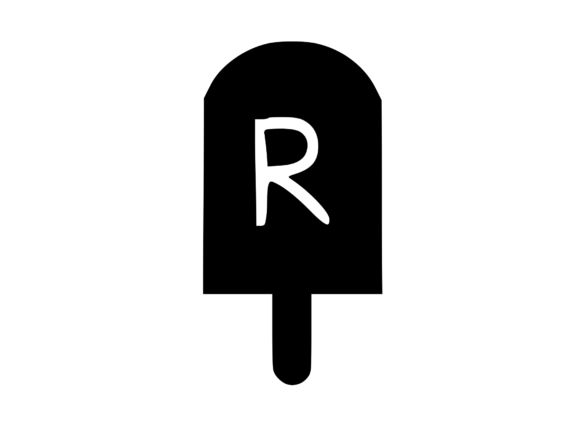
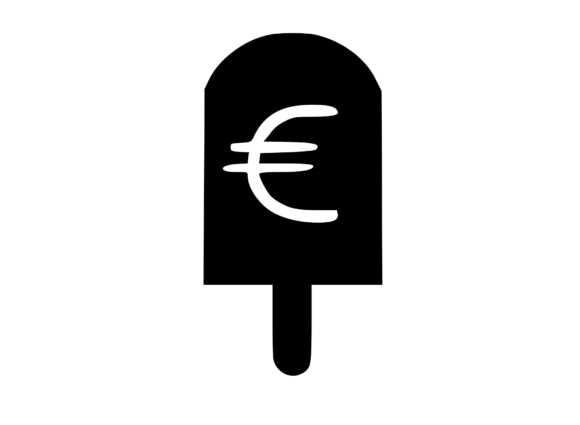
When I first opened the Sweet Summer Ice Lolly Mono Euro design file, I was curious how a single-color SVG would hold up in real embroidery work. Mono designs can be a gamble—some feel incomplete, while others carry enough shape and personality to stand alone. This one leans toward the latter. It captures the classic ice lolly silhouette with clean, uncluttered lines that translate well into stitch work. The mood is playful but not childish, which makes it versatile for a range of handmade products. As someone who regularly tests machine embroidery design files before committing them to client projects, I appreciated the straightforward layout. There is no excessive detail that would get lost in the hoop, and the overall shape reads clearly even at a glance.
The theme leans into summer nostalgia, but the digital embroidery file is structured well enough to work beyond seasonal decor. It feels like a design that could sit comfortably on a boutique tote, a child’s sweatshirt, or even a kitchen towel set for a small shop. The SVG format gives flexibility for resizing, and the mono style means you are not juggling multiple thread colors or complex color changes. For a designer or Etsy seller looking to expand their design assets with a quick-to-stitch option, this one warrants a closer look.
A Shape That Reads Well at Different Sizes
The ice lolly outline is the backbone of this design. It is simple enough to remain recognizable when scaled down for a baby embroidery onesie or a cap front, yet substantial enough to hold its own on a larger tote bag design or sweatshirt embroidery. When I tested it on a medium hoop, the proportions felt balanced. The lolly shape sits upright with a slight curve that keeps it from feeling rigid. That subtle organic quality matters when you are stitching onto fabric texture that has its own softness or stretch.
I ran a quick test on a cotton tote bag before committing to a full production run. The satin stitch outlines came through crisp, and the interior fill stitch areas laid flat without puckering. Because it is a mono design, there is no risk of misalignment between color zones, which simplifies the embroidery project from start to finish. For anyone running a craft business where time equals money, that efficiency is a real advantage.
Testing It on a Custom Tote Bag
I decided to test the Sweet Summer Ice Lolly Mono Euro on a natural canvas tote bag. Canvas is forgiving, but it also shows every thread pull and density issue. I used a medium-weight cutaway stabilizer and a 90/14 needle. The design stitched out cleanly with no skipped stitches or thread breaks. The stitch density felt appropriate for the fabric—not so dense that the canvas puckered, but dense enough that the lolly shape had visual weight. I used a bright coral thread on the natural fabric, and the contrast was strong. The mono line work gave the tote a modern, almost Scandinavian look that fits current trends in handmade product design.
I showed the finished bag to a few customers at a local market. The reaction was positive. People picked it up, felt the stitching, and commented on the clean look. One buyer said it reminded her of a vintage ice cream shop logo. That kind of emotional connection is hard to engineer with a complicated design. The simplicity of this embroidery file lets the viewer’s imagination fill in the rest. For a small shop product or personalized gift, that is a strong selling point.
Where This Design Shines Brightest
After testing on several surfaces, I can say the Sweet Summer Ice Lolly Mono Euro performs best on medium-weight woven fabrics like cotton, linen, and denim. It also works well on fleece and towel fabric if you adjust your stabilizer choice. The mono nature means it does not fight with busy fabrics. In fact, I found it looked better on fabrics with a bit of texture—the stitch work catches the light differently and gives the design depth.
Here are the applications I think suit this design especially well:
- Custom apparel like t-shirts and sweatshirts for seasonal pop-up shops
- Embroidered patch designs for iron-on or sew-on applications
- Tote bag design for boutiques or craft fair merchandise
- Baby embroidery on onesies or bibs as a gender-neutral option
- Holiday embroidery for summer-themed gifts or vacation souvenirs
- Pillow cover or tea towel sets for kitchen decor
- Printable mockup use for digital product listings on Etsy or Creative Market
In each of these contexts, the design holds its own. It does not rely on color to communicate, which makes it adaptable to your brand palette. If you are a creative entrepreneur who offers personalized gifts, this is a good candidate for a catalog item that can be customized with a name or initial nearby.
Where I Would Use Caution
No design is perfect for every surface. With the Sweet Summer Ice Lolly Mono Euro, there are a few scenarios where I would test carefully before committing.
- Small hoop sizes: If you are stitching onto a cap or a tiny garment like a sock or cuff, the design may lose its shape if scaled too small. The lolly outline needs enough real estate to keep the proportions readable.
- Stretchy fabric: On ribbed knits or jersey without adequate stabilization, the satin stitch edges can pull and distort. Use a tear-away or cutaway stabilizer and consider a fusible backing for extra support.
- Dark fabric: Because this is a mono design, the contrast between thread and fabric is critical. On black or navy fabric, a light thread works well, but if you try a dark thread on dark fabric, the design will disappear. Always test your thread color against the actual garment.
- Curved surfaces: On hats or curved bags, the design may need to be repositioned so the lolly shape does not look warped. I recommend a test stitch on a scrap curved surface before stitching the final product.
- High-wash items: If you are stitching onto kitchen towels or baby items that will see frequent washing, use a high-quality applique design approach or reinforce with a dense running stitch outline to prevent fraying over time.
These are not dealbreakers. They are the kind of practical adjustments any experienced embroidery designer knows to anticipate. The design itself is sound, but the final result always depends on the marriage of thread, fabric, and stabilizer.
Product Value and Customer Perception
In the crafts and graphics space, a design like this one can elevate a product line without adding complexity. Buyers who shop at boutique markets or scroll through Etsy listings are drawn to items that feel intentional. A well-stitched mono design communicates care and quality. It does not scream for attention, but it rewards a close look. That kind of quiet confidence builds customer trust and encourages repeat purchases.
For small business owners, using a clean SVG like this means you can produce consistent finished products across multiple runs without worrying about thread changes or color matching. That consistency matters when you are building a brand around handmade presentation and professionalism. I have seen simple designs outperform complicated ones in sales simply because they stitched reliably every time. The Sweet Summer Ice Lolly Mono Euro fits that model well.
Practical Designer Notes Before You Stitch
Before you take this design into production, here are the checks I always run:
- Test on scrap fabric first: Use the same fabric type and stabilizer you plan to use for the final product. Check for puckering, thread tension, and design alignment.
- Check thread color contrast: Hold your thread against the fabric in natural light. If the contrast is low, the design may not read well from a distance.
- Review stitch density: The SVG file gives you a vector base, but once converted to an embroidery file, the density can vary. Check the file in your digitizing software before stitching.
- Confirm hoop size: Make sure the design fits within your hoop with enough margin for stabilization. If you are using a small hoop, consider reducing the design size proportionally.
- Inspect small details: Look for any narrow areas where satin stitch columns might be too thin or fill stitch areas might be too large. Adjust if needed.
- Test in black and white mockups: Before stitching, view a grayscale version of the design to see how it reads without color. This helps catch shape issues early.
- Compare light and dark fabric backgrounds: Stitch the design on both a light and dark fabric swatch so you can see how the contrast changes. Keep both samples for customer reference.
- Use proper stabilizer: For most woven fabrics, a medium cutaway works well. For knits, use a no-stretch stabilizer. For towels, use a water-soluble topping.
- Check commercial licensing: Since this is an SVG for crafts and graphics, confirm whether your license allows commercial embroidery and sales of finished products. Some files restrict the number of uses or require attribution.
Taking these steps before you stitch saves time, thread, and fabric. It also ensures that your handmade product meets the quality bar your customers expect. Whether you are stitching one personalized gift or a batch of custom apparel for a boutique order, the prep work pays off.
Overall, the Sweet Summer Ice Lolly Mono Euro is a solid addition to any digital embroidery file collection. It is simple enough to use as a quick stitch project, but refined enough to sit proudly on apparel decor or boutique branding. For Etsy sellers, craft fair vendors, and apparel decorators looking for a design that balances charm with practicality, this one earns a confident recommendation from my studio.